
Sheet Metal Bending Tolerances That Affect Fit and Assembly
TIME
Click count
Why Sheet Metal Bending Tolerances Matter in Real Assembly
In precision manufacturing, sheetmetalbending tolerances shape more than part appearance. They directly affect fit, hole alignment, fastening access, and repeatable assembly performance.
When tolerances drift, the impact usually appears downstream. Assemblers start forcing parts, slots no longer line up, and rework quietly consumes schedule and margin.
That is why sheetmetalbending decisions should never stay only inside fabrication. They belong in design reviews, supplier qualification, and launch planning.
In practical terms, a formed bracket may meet flat-pattern dimensions yet still fail during installation. The bend angle, inside radius, and flange length all interact.
This also means tolerance control is not only a quality topic. It is a risk, cost, and procurement topic as well.
For complex programs, especially in high-performance environments, tighter expectations often meet normal process variation. The gap between those two creates preventable assembly trouble.
The Main Tolerance Drivers Behind Sheetmetalbending Variation
Most sheetmetalbending variation does not come from one source. It comes from stacked influences across material, tooling, machine setup, and inspection practice.
Material thickness and mechanical properties
Thickness variation changes the bend result quickly. Even small shifts affect bend deduction, springback, and final flange dimensions.
Yield strength matters just as much. Harder material typically springs back more, so identical tooling may produce different angles from different lots.
Tooling geometry and wear
Punch radius and die opening define the bend condition. If the selected tooling does not match material and feature intent, sheetmetalbending consistency drops fast.
Wear adds another layer. A slightly worn die shoulder may still run parts, but edge position and angle repeatability begin to drift.
Machine setup and bend sequence
Backgauge calibration, ram position, and part orientation all influence outcomes. Multi-bend parts are especially sensitive because each bend can amplify the last one.
Sequence matters in real production. A flange formed too early may interfere with later gauging, causing dimensional shift that inspection catches only at final check.
Measurement method
Not every supplier measures the same way. Some inspect outside dimensions, others inspect theoretical intersections, and that difference changes reported compliance.
From a control standpoint, sheetmetalbending tolerances only work when the drawing, fixture, and inspection method all speak the same language.
Which Dimensions Usually Break Fit and Assembly
Some dimensions are far more critical than others. In most assemblies, failures come from interface features, not from cosmetic dimensions.
Bend angle
A one-degree error can move a hole pattern enough to block fastener insertion. The risk increases with longer flanges and multiple mating parts.
Flange length
Flange length affects stack height, enclosure fit, and gap control. In sheetmetalbending, this is often the first dimension assemblers notice during dry fit.
Hole-to-bend distance
If a hole sits too close to a bend, distortion is more likely. Even when the part forms successfully, the fastener path may no longer stay true.
Edge position and parallelism
Panels, covers, and brackets often rely on even edge relationships. Poor parallelism turns simple assemblies into forcing operations.
In actual projects, these issues rarely show up alone. They stack together, which is why sheetmetalbending tolerance planning must be system-based.
How Tolerance Stack-Up Changes Project Risk
A single bent part may seem acceptable by itself. The bigger problem appears when several acceptable parts meet in one assembly.
This is the classic stack-up effect. Each feature stays within limit, yet the final build exceeds the available gap or alignment window.
For sheetmetalbending programs, stack-up becomes more severe in welded frames, bolted enclosures, cable routing trays, and parts with nested interfaces.
The commercial effect is easy to underestimate. Small bending variation can trigger rework labor, supplier returns, delayed site installation, and extra inspection cycles.
More importantly, schedule slips often start with “almost fitting” parts. Teams spend days troubleshooting because no single part looks obviously wrong.
That is why tolerance review should focus on assembly function. The question is not only “Can this be bent?” but also “Will this still fit at volume?”
Practical Design Rules That Improve Sheetmetalbending Outcomes
Better results usually start upstream. A few disciplined design choices can reduce bending risk without making the product heavier or more expensive.
- Keep critical holes away from bend lines whenever packaging allows.
- Dimension from functional datums, not from cosmetic edges.
- Use realistic bend radii matched to material grade and thickness.
- Allow slot features where field alignment needs flexibility.
- Avoid unnecessary tight limits on non-functional formed features.
These choices make sheetmetalbending more forgiving. They also improve sourcing options because more qualified suppliers can hold the intended requirements consistently.
In complex environments, it also helps to separate must-hold dimensions from preferred dimensions. That distinction keeps quality attention on what truly drives fit.
Supplier and Inspection Controls That Reduce Surprises
Even strong drawings cannot solve weak process control. Reliable sheetmetalbending needs supplier discipline from first article through repeat production.
A capable supplier should define tooling selection, bend sequence, compensation method, and inspection references before the first batch ships.
The most useful controls usually include the following:
- First article checks on bend angle, flange length, and hole position after forming.
- Lot traceability for material thickness and strength variation.
- Gauge repeatability reviews for critical formed dimensions.
- Control plans for tooling wear and recalibration intervals.
- Assembly trial builds before volume release.
This is especially important when parts support regulated or high-consequence systems. In those cases, sheetmetalbending tolerance drift can become a compliance issue, not just a fit issue.
A Simple Decision Framework for Fit-Critical Parts
When a bent part is tied to assembly performance, a short decision framework helps teams move faster and reduce avoidable debate.
- Identify the interface features that control fit, sealing, fastening, or clearance.
- Map how sheetmetalbending variation shifts those features after forming.
- Assign tighter limits only where function truly depends on them.
- Confirm the supplier can measure those limits the same way every time.
- Validate the part in a real assembly, not only on a flat inspection table.
This approach keeps teams grounded in performance. It also prevents the common mistake of tightening every tolerance just to feel safer.
In reality, over-specified sheetmetalbending can raise cost, reduce supplier flexibility, and still miss the actual fit driver if the datum strategy is poor.
Final Takeaway
Sheetmetalbending tolerances influence whether products assemble smoothly, stall in rework, or create hidden field risk. The most important factors are rarely isolated.
Material behavior, tooling condition, bend sequence, and measurement logic all shape final fit. When these are aligned early, assembly becomes more predictable.
The most effective next step is straightforward. Review the formed features that drive installation, confirm realistic sheetmetalbending limits, and validate them in actual build conditions.
That kind of disciplined review protects schedule, improves supplier coordination, and turns tolerance control into a practical advantage instead of a recurring assembly problem.
Recommended News
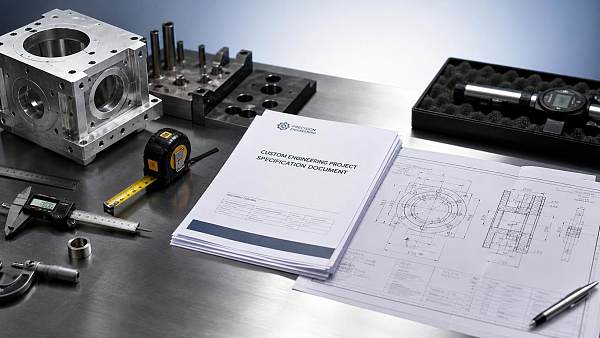
 Aug 15, 2026What to include in specification preparation support for custom projectsSpecification preparation support custom projects helps turn vague requirements into clear, actionable specs that reduce risk, improve procurement, and speed up successful delivery.
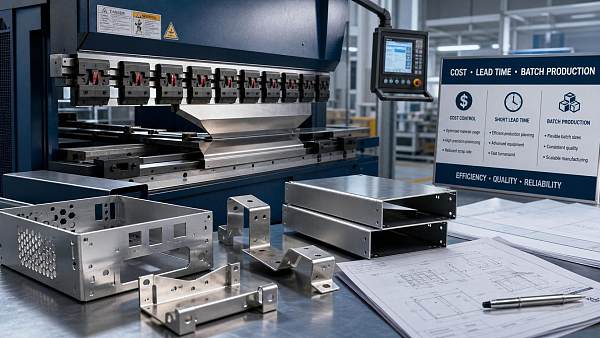
 Jul 02, 2026Sheet Metal Bending Services in Canada: Cost and Lead Time FactorsSheet metal bending services Canada: learn what drives cost and lead time, from material and bend complexity to capacity and quality control, so you can source smarter and reduce delivery risk.
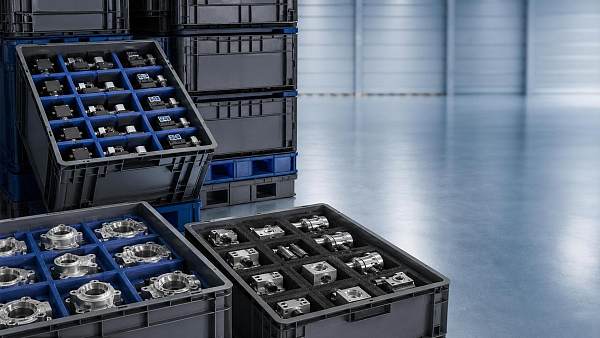
 Jun 25, 2026Returnable Transport Packaging for Automotive Parts: Cost vs Damage ReductionReturnable transport packaging for automotive parts: compare upfront cost vs long-term damage reduction, labor savings, and cleaner line-side delivery in automotive supply chains.
 Jun 23, 2026Sustainable Building Materials: What Performs Best in 2026?Sustainable building materials in 2026: discover which options deliver the best durability, compliance, and lifecycle value for high-performance, future-ready projects.

All Categories
Hot Articles
- How to verify a fire-rated door manufacturer’s product certificationOct 16, 2026Choosing a fire proof doors manufacturer? Learn how to verify certifications, match approved door configurations, and spot compliance gaps before you buy. Explore the checklist.
- How proof test intervals affect SIL metrics in process safetyOct 15, 2026Explore SIL metrics process safety teams rely on. Learn how proof test intervals affect PFDavg, risk reduction, and test coverage to make better-informed safety decisions.
- How to verify an explosion-proof siren factory's ATEX certificatesOct 14, 2026Verify an explosion proof siren factory's ATEX certificates with practical checks for authenticity, product scope and production conformity. Avoid costly sourcing mistakes before you buy.