
Custom Metal Fabrication for Construction: Lead Time Risks
TIME
Click count
Why lead time risk appears earlier than many teams expect
In large projects, custom metal fabrication for construction rarely fails because of one dramatic event. Delays usually build quietly across drawings, approvals, materials, and shop sequencing.
That is why lead time risk deserves attention before procurement locks quantities. A late fabricated frame, bracket set, enclosure, or support assembly can shift several dependent trades.
In practice, custom metal fabrication for construction becomes more exposed when the project mixes structural loads, tight tolerances, or regulated operating conditions.
This is especially true in facilities linked to critical systems. G-CSE often tracks how resilience requirements reshape fabrication decisions in energy, advanced manufacturing, and safety-sensitive infrastructure.
The same steel component may look simple on paper, yet its schedule profile changes once coating systems, weld procedures, inspection hold points, or import documentation are added.
Actual project conditions change the lead time equation
Different jobs ask different things from custom metal fabrication for construction. A commercial tower, a battery facility, and an explosion-protected utility building do not move at the same pace.
The main reason is not only part complexity. It is the combination of revision frequency, compliance depth, site access limits, and tolerance sensitivity after installation begins.
More routine building packages often accept standard plate, tube, and connection details. Critical facilities usually require traceable materials, documented testing, and stronger interface control with other systems.
When those conditions are ignored, custom metal fabrication for construction turns into a schedule gamble rather than a managed workstream.
A useful way to judge exposure before orders are placed
- Check whether geometry is still moving due to late architectural, mechanical, or safety revisions.
- Confirm if the material grade depends on volatile supply chains or imported mill documentation.
- Review whether coating, fire, corrosion, or hygienic standards add separate approval stages.
- Map interfaces with anchors, glazing, filtration skids, cable routes, and maintenance clearances.
Where schedule pressure usually appears on site
Fast-track urban builds with late coordination changes
In dense urban construction, custom metal fabrication for construction often supports façade framing, rooftop platforms, plant screens, and retrofit reinforcement.
The problem here is usually not exotic metallurgy. It is repeated drawing updates after MEP routing, lift planning, or access limitations reshape installation logic.
A fabricator may start cutting from approved drawings, then lose days when bolt patterns or embed locations move. Rework quickly overtakes the original production window.
In this setting, the better approach is to split stable and unstable packages. Freeze critical load-bearing pieces first, and hold variable trim or bracket details until coordination settles.
Industrial facilities where compliance extends production time
Custom metal fabrication for construction takes a different path inside semiconductor support spaces, energy hubs, or hazardous processing buildings.
Here, schedule risk grows because each item may sit inside a wider compliance chain. Surface finish, contamination control, fire performance, and certification records can matter as much as dimensions.
G-CSE benchmarking shows this clearly across filtration infrastructure, explosion-protected enclosures, and high-performance fastening systems. Fabrication is judged as part of system integrity, not as a stand-alone metal package.
That means custom metal fabrication for construction should be sequenced with inspection and documentation milestones already visible in the baseline schedule.
Remote or harsh environments with narrow recovery options
A remote substation, coastal energy platform, or extreme-environment service building creates another risk profile.
A small fabrication error becomes expensive because recovery is slow. Site welding may be restricted, replacement shipments may cross borders, and weather windows may be limited.
In these cases, custom metal fabrication for construction should prioritize fit-up certainty, packaging logic, corrosion durability, and documented pre-assembly checks before release.
Different scenarios demand different priorities
The table below helps explain why one lead time strategy does not fit every project using custom metal fabrication for construction.
This is where custom metal fabrication for construction should be evaluated as a project interface issue, not merely as a purchasing line item.
Misjudgments that make fabrication delays harder to recover
One common mistake is assuming similar parts share the same risk. Two support frames may use the same base material, yet one needs fire-rated coating and third-party inspection.
Another misjudgment is focusing only on workshop capacity. Capacity matters, but custom metal fabrication for construction can still slip when external approvals are slower than cutting or welding.
Projects also underestimate raw material volatility. Plate availability, specialty fasteners, or imported stainless sections may change more quickly than the design schedule suggests.
A subtler issue appears when field conditions are treated as standard. Tolerance stack-up, anchor deviation, and maintenance access often decide whether fabricated items install on the first attempt.
- Do not judge lead time from drawing complexity alone.
- Do not separate compliance review from production planning.
- Do not treat corrosive, hygienic, or explosive environments as minor specification notes.
- Do not assume site modification will be easy or permitted.
Practical ways to adapt custom metal fabrication for construction
In actual delivery planning, the strongest safeguard is early separation of fixed scope from likely-change scope. That keeps fabrication moving without locking the entire package too soon.
It also helps to align fabrication reviews with adjacent systems. G-CSE’s cross-sector view shows that brackets, housings, and support steel often inherit risk from fire systems, filtration assets, or specialty equipment interfaces.
When custom metal fabrication for construction involves critical environments, the more reliable method is to define three checkpoints before release.
- Commercial checkpoint: material availability, logistics exposure, and tender-driven schedule pressure.
- Technical checkpoint: tolerance control, coating system, weld qualification, and interface geometry.
- Compliance checkpoint: ISO, UL, ATEX, SEMI, or project-specific documentation requirements.
If one checkpoint remains uncertain, a phased release often protects the schedule better than waiting for total certainty across every fabricated item.
What to review before the next package is released
A useful next step is to map each custom metal fabrication for construction package against the condition that is most likely to move late.
Sometimes the issue is geometry. In other cases, it is certification, coatings, import lead times, or coordination with critical equipment.
The more dependable approach is to compare site conditions, standards, and recovery options before fabrication starts. That creates a clearer basis for release priority, contingency planning, and realistic milestone control.
For projects where resilience matters, custom metal fabrication for construction should be reviewed with the same discipline used for other critical engineered systems: verify constraints early, separate risk levels, and confirm what cannot be corrected easily in the field.
Recommended News
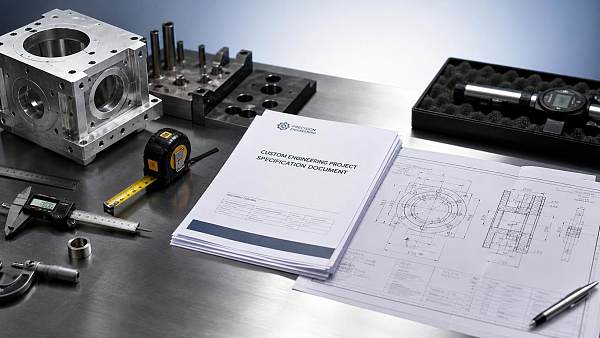
 Aug 15, 2026What to include in specification preparation support for custom projectsSpecification preparation support custom projects helps turn vague requirements into clear, actionable specs that reduce risk, improve procurement, and speed up successful delivery.
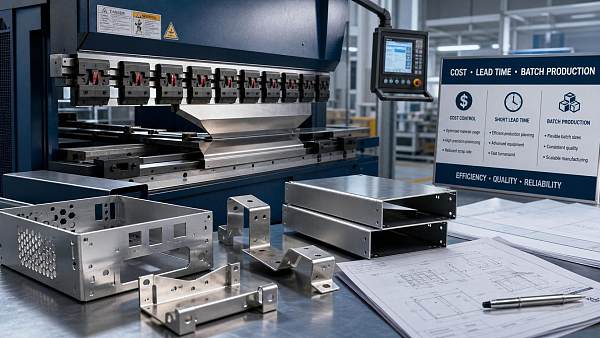
 Jul 02, 2026Sheet Metal Bending Services in Canada: Cost and Lead Time FactorsSheet metal bending services Canada: learn what drives cost and lead time, from material and bend complexity to capacity and quality control, so you can source smarter and reduce delivery risk.
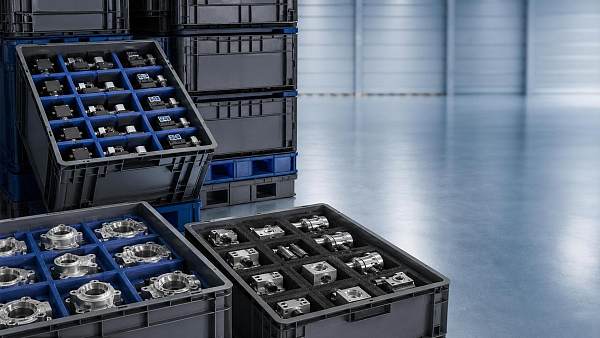
 Jun 25, 2026Returnable Transport Packaging for Automotive Parts: Cost vs Damage ReductionReturnable transport packaging for automotive parts: compare upfront cost vs long-term damage reduction, labor savings, and cleaner line-side delivery in automotive supply chains.
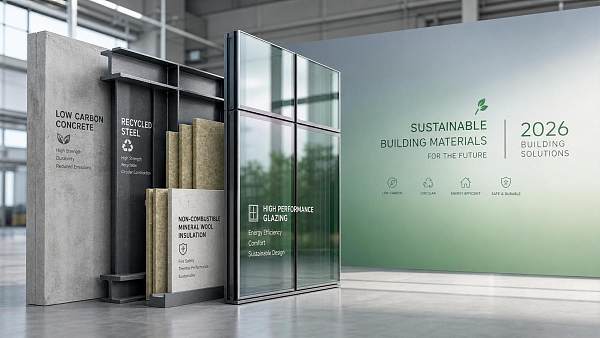
 Jun 23, 2026Sustainable Building Materials: What Performs Best in 2026?Sustainable building materials in 2026: discover which options deliver the best durability, compliance, and lifecycle value for high-performance, future-ready projects.
All Categories
Hot Articles
- How to verify a fire-rated door manufacturer’s product certificationOct 16, 2026Choosing a fire proof doors manufacturer? Learn how to verify certifications, match approved door configurations, and spot compliance gaps before you buy. Explore the checklist.
- How proof test intervals affect SIL metrics in process safetyOct 15, 2026Explore SIL metrics process safety teams rely on. Learn how proof test intervals affect PFDavg, risk reduction, and test coverage to make better-informed safety decisions.
- How to verify an explosion-proof siren factory's ATEX certificatesOct 14, 2026Verify an explosion proof siren factory's ATEX certificates with practical checks for authenticity, product scope and production conformity. Avoid costly sourcing mistakes before you buy.