
Fire Resistance Rating UL/FM Data: What Really Matters
TIME
Click count
When evaluating passive fire protection, fire resistance rating (UL/FM) data can look straightforward—but the details that drive real-world decisions are often buried in test scope, assembly conditions, and certification limits.
For technical research, compliance review, and industrial specification work, understanding fire resistance rating (UL/FM) data means looking beyond the headline hour rating.
The real value lies in how the tested assembly was built, what standard applied, and whether the listed system matches field conditions.
What does fire resistance rating (UL/FM) data actually measure?
At its core, fire resistance rating (UL/FM) data measures how long a tested building element performs under controlled fire exposure.
That element may be a wall, floor, door, joint system, penetration seal, structural member, or protective enclosure.
The rating is not a blanket property of one product alone.
It usually applies to a complete assembly tested under a defined standard and installation method.
UL and FM approvals can reference different test programs, listing formats, and compliance pathways.
That is why fire resistance rating (UL/FM) data should be read as system evidence, not marketing shorthand.
Key points hidden behind the rating
- Test standard used, such as ASTM E119 or UL 263.
- Failure criteria, including temperature rise, integrity, or loadbearing limits.
- Assembly orientation, size, support method, and substrate type.
- Required accessories, sealants, fasteners, and backing materials.
- Movement, pressure, or hose stream requirements, where applicable.
In complex facilities, a one-hour or two-hour label is only the starting point.
Why can the same hour rating lead to very different performance expectations?
A two-hour rating in one assembly does not automatically equal another two-hour assembly.
The scope of testing may differ in geometry, substrate, opening size, or service penetration type.
For example, a firestop system tested in concrete may not cover gypsum walls.
A joint system tested for static conditions may not suit dynamic movement zones.
A protected steel assembly may rely on a very specific coating thickness and section factor.
This is where fire resistance rating (UL/FM) data becomes highly decision-sensitive.
Common reasons equivalent ratings are not equivalent decisions
- Different tested constructions support different end uses.
- Listed tolerances may be narrow.
- Additional environmental factors may be outside the listing.
- Field modifications can invalidate assumptions.
- Local code acceptance may require extra documentation.
In critical infrastructure, these differences affect safety margins, documentation effort, and retrofit feasibility.
Which details matter most when reading fire resistance rating (UL/FM) data?
The most important details are usually in the listing notes, design number, and installation limitations.
These details decide whether a tested system can be translated into a real project condition.
Priority review checklist
- Assembly type: Wall, floor, roof, beam, column, door, joint, or penetration.
- Substrate: Concrete, masonry, gypsum, steel, or composite construction.
- Dimensions: Maximum opening size, annular space, thickness, and span.
- Materials: Exact product family, density, coating depth, wrap, or board type.
- Support conditions: Framing, attachment method, spacing, and reinforcement details.
- Service type: Cable, pipe, duct, busway, mixed penetrants, or blank openings.
- Movement or exposure: Dynamic joints, vibration, moisture, chemicals, or external weathering.
- Certification status: Current listing, revision date, and regional acceptability.
Strong engineering review always checks the tested assembly against the installed assembly line by line.
That discipline reduces specification gaps and avoids false equivalency between systems.
How should UL and FM data be compared in practical specification work?
UL and FM are both respected references, but comparison must stay tied to intended use and authority requirements.
The goal is not choosing a logo first.
The goal is confirming whether the certification basis supports the engineering risk profile.
Useful comparison dimensions
For high-consequence facilities, comparison should include traceability, revision control, and compatibility with adjacent systems.
What are the most common mistakes with fire resistance rating (UL/FM) data?
The biggest mistake is treating fire resistance rating (UL/FM) data as a simple product attribute.
In reality, the data is conditional evidence tied to tested construction details.
Frequent interpretation errors
- Assuming one listed product works in every wall or floor.
- Ignoring maximum and minimum dimensions.
- Overlooking required backing, sleeves, or insulation types.
- Substituting fasteners or support details without review.
- Using outdated listing revisions.
- Confusing fire resistance with smoke, blast, chemical, or weather performance.
These errors often surface late, during inspection, commissioning, insurance review, or incident investigation.
The cost of correction can exceed the original material savings.
How can fire resistance rating (UL/FM) data be used for better decisions in complex industrial environments?
In advanced manufacturing, energy, transport, and mission-critical facilities, fire resistance decisions rarely stand alone.
They interact with vibration, contamination control, pressure differentials, maintenance access, and harsh process conditions.
That makes fire resistance rating (UL/FM) data part of a broader engineering verification workflow.
A practical decision sequence
- Define the required barrier function and rating duration.
- Map actual site conditions against listed assembly details.
- Check adjacent risks, including movement, chemicals, and access needs.
- Review current UL or FM documentation and revision status.
- Confirm acceptance by project code path and insurer expectations.
- Document installation and inspection criteria before execution.
This approach turns fire resistance rating (UL/FM) data into a reliable design control tool.
Quick FAQ reference table
The most useful reading of fire resistance rating (UL/FM) data is disciplined, contextual, and assembly-specific.
Headline ratings help screening, but final decisions depend on listed details, revision control, and field alignment.
For resilient industrial design, the next step is to review each required barrier condition against current certification documents and actual installation constraints.
That process reduces compliance risk, improves comparability, and makes fire resistance rating (UL/FM) data genuinely actionable.
Recommended News
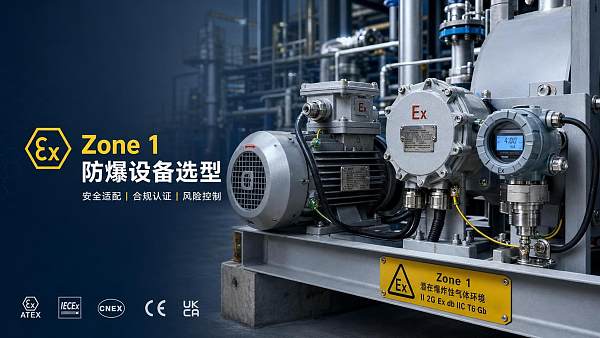
 Jul 28, 2026Explosion Protection Zone 1: Key Equipment Selection RisksExplosion protection Zone 1 selection often fails at gas group, temperature class, and installation details. Learn the hidden risks and choose safer, compliant equipment with confidence.
 Jul 12, 2026When a Safety Shutdown System Reduces Downtime and RiskSafety shutdown system strategies can cut downtime, contain risk, and speed recovery. Learn how smarter shutdown design protects uptime, assets, and project performance.
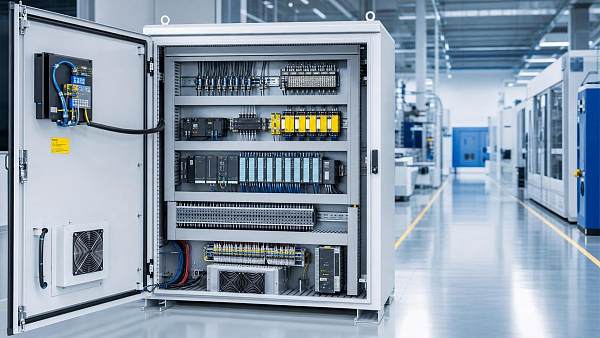
 Jul 10, 2026Industrial Safety Systems Control Panels: Common Design Risks and FixesIndustrial safety systems control panels design risks can trigger trips, heat issues, and compliance gaps. Discover the most common failures and practical fixes to improve uptime and safety.
![]() Jul 07, 2026Regulatory Compliance Intelligence for Electronics: What to Track in 2026Regulatory compliance intelligence electronics leaders need for 2026: track traceability, cybersecurity, PFAS, batteries, and regional rules to cut launch delays and protect market access.
Jul 07, 2026Regulatory Compliance Intelligence for Electronics: What to Track in 2026Regulatory compliance intelligence electronics leaders need for 2026: track traceability, cybersecurity, PFAS, batteries, and regional rules to cut launch delays and protect market access.

All Categories
Hot Articles
- How to select hazardous area protection for offshore oil and gas sitesSep 12, 2026Hazardous area protection oil and gas guide for offshore sites—select certified, durable solutions that meet zoning, temperature, cable-entry, and maintenance demands.
- What to verify before choosing an electronics industry solutions supplierSep 11, 2026Electronics industry solutions supplier checklist: verify engineering expertise, traceability, compliance, quality controls, supply resilience, and lifecycle support before you buy.
- How to verify a supplier’s SIL metrics before selecting gas detectorsSep 10, 2026SIL metrics supplier guide: learn how to verify certificates, FMEDA data, proof tests, and lifecycle support before selecting gas detectors for safety-critical SIFs.