
EV Battery Recycling Costs: What Changes in 2026?
TIME
Click count
As 2026 approaches, ev battery recycling is moving from a future-facing sustainability topic to a live cost, compliance, and supply security issue. For industrial buyers, the question is no longer whether recycling capacity will matter, but how changing recovery economics, regulation, and plant performance will reshape contract terms, pricing, and supplier risk.
That shift matters well beyond automotive. Battery flows increasingly touch energy storage, advanced manufacturing, logistics fleets, and critical infrastructure planning. In that wider context, ev battery recycling sits inside the same resilience conversation that now defines sourcing decisions across high-performance industrial systems.
Why 2026 looks different from earlier recycling cycles
Until recently, many discussions about ev battery recycling focused on long-term environmental value. In 2026, the market looks more operational. More end-of-life batteries are entering formal collection channels, more regional regulations are tightening, and more recyclers are competing on actual recovery yield rather than pilot-scale promises.
At the same time, cost visibility is improving. Buyers can now compare not only gate fees, but also logistics exposure, preprocessing losses, recovered metal credits, and traceability obligations. That makes total recycling cost more measurable, but not necessarily lower.
In practical terms, 2026 may bring both price pressure and price dispersion. Some battery streams will become cheaper to process as scale improves. Others will cost more because compliance, sorting complexity, and fire safety requirements are becoming stricter.
What ev battery recycling costs actually include
A useful starting point is to stop treating recycling as a single line item. The real cost structure is layered, and each layer reacts differently to market conditions.
Core cost components
This breakdown matters because price quotes can look similar while risk profiles differ sharply. A low headline rate may exclude transport packaging, rejected loads, or post-treatment documentation.
The biggest forces pushing costs up or down
The 2026 outlook for ev battery recycling is shaped by several forces moving at once. Some improve efficiency. Others create new obligations that recyclers pass through to customers.
Battery chemistry is changing the economics
Not all battery packs generate the same recovery value. High-nickel chemistries often support stronger recovered metal credits. LFP batteries usually present a more difficult revenue case because the contained metals have lower resale value.
As the chemistry mix changes, recyclers may revise fee models. In 2026, many buyers will likely see greater differentiation between chemistry-linked pricing structures rather than flat recycling fees.
Regulation is becoming more measurable
Europe remains the clearest example, with stronger expectations around recycled content, battery passports, recovery efficiency, and documented material flows. Similar policy direction is influencing other regions, even where exact rules differ.
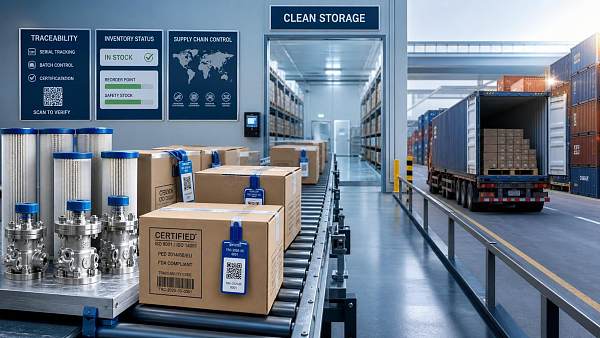
That means ev battery recycling contracts increasingly need auditable data. Documentation, testing, hazardous handling protocols, and chain-of-custody controls are no longer optional back-office features.
Processing technology is separating leaders from followers
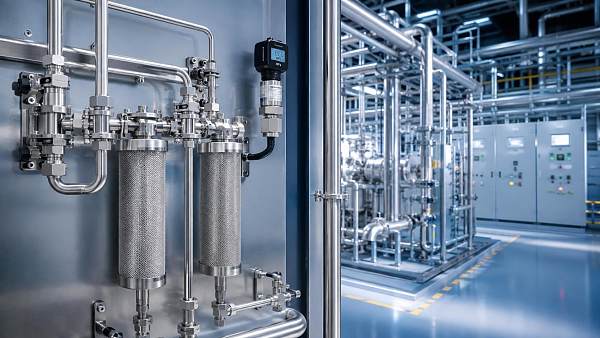
Hydrometallurgical routes, mechanical preprocessing improvements, and safer automated dismantling can reduce loss rates and improve metal recovery. However, advanced systems require capital, energy control, filtration quality, and strict explosion protection.
This is where a broader engineering lens becomes useful. G-CSE’s focus on critical systems benchmarking highlights a point often missed in cost discussions: recycling performance depends on the reliability of supporting infrastructure, not only on chemistry know-how.
Filtration stability, fire suppression design, corrosion-resistant materials, and safe robotic handling all influence uptime, yield consistency, and insurance exposure. In other words, plant resilience is becoming part of recycling cost.
Where procurement risk is most likely to appear
For many organizations, the cost problem is not simply paying more. The larger issue is unpredictable cost transfer from weak operational control.
- Mixed battery streams increase sorting errors and raise rejection risk.
- Cross-border movement can trigger permit delays and extra packaging expense.
- Poor traceability may undermine sustainability claims or regulatory reporting.
- Insufficient fire and explosion controls can disrupt operations and premiums.
- Energy-intensive recovery plants remain exposed to utility price swings.
These issues are especially relevant when evaluating recyclers that are expanding quickly. Capacity growth alone is not proof of dependable cost performance. Throughput, recovery yield, incident history, and documentation quality matter just as much.
How to compare ev battery recycling partners more effectively
A stronger sourcing approach starts with comparable benchmarks. That means looking beyond the commercial quote and asking how the recycler controls the engineering variables behind it.
Questions that improve supplier evaluation
- What recovery rates are achieved by chemistry and pack format?
- How are transport, quarantine, and non-conforming loads priced?
- Which standards support fire safety, filtration, and hazardous processing?
- Is black mass output sold, refined internally, or sent to third parties?
- What digital records are available for traceability and compliance audits?
The most reliable comparisons connect economics with operating discipline. A recycler using better containment, certified protection systems, and stable process controls may quote more upfront, yet deliver lower total risk over time.
Why adjacent industrial systems now matter more
Ev battery recycling is no longer isolated from the rest of industrial engineering. As facilities scale, they depend more heavily on specialized filtration, explosion-proof infrastructure, advanced materials, and robotic handling in hazardous zones.
That is one reason cross-sector intelligence is becoming more valuable. A benchmarking perspective like G-CSE’s helps connect recycler claims with the underlying systems that determine durability, safety, and audit readiness.
For example, sub-micron filtration quality can affect contamination control. Certified fire and explosion protection can change insurer confidence. Specialized service robots may improve handling consistency in high-risk dismantling environments. These are not peripheral details. They shape cost reliability.
What to watch next
The next phase of ev battery recycling will likely reward organizations that treat recycling as a strategic industrial capability rather than a disposal service. Cost will still matter, but the better question is which cost model remains stable under regulatory, technical, and commodity pressure.
A useful next step is to map current battery streams by chemistry, geography, and compliance burden, then compare recyclers using common definitions for yield, safety controls, and traceability. That creates a stronger basis for contract design, supplier diversification, and long-term material recovery planning.
In 2026, ev battery recycling will not be judged only by sustainability messaging. It will be judged by measurable recovery performance, resilient plant engineering, and the quality of decisions made before the batteries ever arrive at the gate.
Recommended News
 Sep 11, 2026What to verify before choosing an electronics industry solutions supplierElectronics industry solutions supplier checklist: verify engineering expertise, traceability, compliance, quality controls, supply resilience, and lifecycle support before you buy.
 Sep 09, 2026When does a procurement intelligence platform justify its cost?A procurement intelligence platform justifies its cost by reducing sourcing risk, improving supplier decisions, and strengthening compliance and negotiation outcomes.
 Sep 08, 2026How component reliability affects the uptime of critical systemsCritical systems components directly shape uptime, safety, and compliance. Discover practical reliability criteria for materials, validation, traceability, and smarter procurement.
 Aug 31, 2026How supply chain visibility helps prevent stockouts in critical projectsSupply chain visibility helps critical projects prevent stockouts by tracking usable inventory, supplier risks, logistics, and compliance—protect your schedule.


All Categories
Hot Articles
- How to select hazardous area protection for offshore oil and gas sitesSep 12, 2026Hazardous area protection oil and gas guide for offshore sites—select certified, durable solutions that meet zoning, temperature, cable-entry, and maintenance demands.
- What to verify before choosing an electronics industry solutions supplierSep 11, 2026Electronics industry solutions supplier checklist: verify engineering expertise, traceability, compliance, quality controls, supply resilience, and lifecycle support before you buy.
- How to verify a supplier’s SIL metrics before selecting gas detectorsSep 10, 2026SIL metrics supplier guide: learn how to verify certificates, FMEDA data, proof tests, and lifecycle support before selecting gas detectors for safety-critical SIFs.