
Rapid Prototyping for Consumer Electronics
TIME
Click count
Rapid Prototyping for Consumer Electronics: Faster Validation, Lower Launch Risk
In consumer electronics, speed-to-market means little without proven performance, compliance, and manufacturability.
Rapid prototyping for consumer electronics helps teams test ideas before cost, schedule, and supplier complexity grow.
It turns early assumptions into measurable evidence.
That matters when products combine tight tolerances, thermal loads, cosmetic demands, and regulatory checkpoints.
A structured prototype plan also improves supplier alignment.
It helps compare materials, assemblies, and process routes before committing to tooling or volume contracts.
For complex programs, that early clarity often decides whether launch pressure becomes manageable or expensive.
Why Rapid Prototyping for Consumer Electronics Matters Now
Product cycles are shorter, but technical expectations keep rising.
Devices must feel premium, run cooler, survive drops, and pass certification without delays.
That is exactly where rapid prototyping for consumer electronics creates value.
It reduces hidden risk before design choices harden.
From recent market shifts, one clear signal stands out.
More programs fail from integration problems than from isolated component issues.
Housing materials may interfere with antennas.
Battery packaging may reshape internal airflow.
Display stacks may affect impact resistance and bonding yield.
Rapid prototypes expose these interactions early, when design changes are still affordable.
What Decision-Makers Need from a Prototype
A prototype should do more than look convincing.
It should answer a defined business and engineering question.
- Can the enclosure dissipate heat under sustained load?
- Will the fastening method support repeated assembly?
- Does the cosmetic finish survive handling and cleaning?
- Can suppliers reproduce the tolerance stack at scale?
- Will the chosen materials support compliance and procurement stability?
When rapid prototyping for consumer electronics is tied to these questions, review cycles become faster and more objective.
Core Applications Across Consumer Electronics Programs
Not every prototype has the same purpose.
The most effective teams map prototype types to technical milestones.
Mechanical Fit and Precision Assembly
Miniaturized devices leave little room for tolerance drift.
Rapid prototyping for consumer electronics helps verify snaps, threads, inserts, gaskets, and connector alignment.
This is especially important for wearables, handheld devices, smart home products, and compact controllers.
Thermal Management and Material Behavior
As power density rises, thermal validation can no longer wait for pilot production.
Prototype builds can compare heat spreaders, vent designs, specialty glass, and ceramic-based insulation strategies.
This approach supports evidence-based tradeoffs between performance, safety, weight, and cost.
User Experience and Cosmetic Quality
A device can be technically sound and still fail in the market.
Surface feel, seam visibility, button force, and display fit all shape perceived quality.
Rapid prototyping for consumer electronics makes those details visible before mass production tools are locked.
A Practical Workflow That Reduces Rework
A disciplined process matters more than prototype speed alone.
In practice, the best results come from staged validation.
- Define the critical unknowns first, not the full wish list.
- Select prototype methods based on function, finish, and tolerance needs.
- Set measurable pass or fail criteria before fabrication starts.
- Review results with design, sourcing, quality, and manufacturing together.
- Feed approved findings directly into DFM, supplier RFQ, and compliance planning.
This method keeps rapid prototyping for consumer electronics connected to launch execution.
It also prevents teams from mistaking visual models for production-ready validation.
Choosing the Right Prototype Route
Different prototype methods answer different questions.
The right mix often combines several methods, not one universal solution.
Common Risks in Rapid Prototyping for Consumer Electronics
Fast iteration is useful, but it can create false confidence.
Several issues appear repeatedly across electronics programs.
- Prototype materials do not match thermal, chemical, or structural production behavior.
- Teams validate parts separately but miss full-system interactions.
- Cosmetic approval happens before assembly stress testing.
- Supplier capability is assumed, not benchmarked.
- Compliance implications are reviewed too late.
This is where engineering intelligence becomes especially valuable.
A benchmark-driven approach helps compare candidate materials, fastening systems, filtration components, and protective enclosures against real standards.
That reduces the gap between a promising prototype and a reliable product release.
How to Control Risk Earlier
- Use production-intent materials for high-risk functions whenever possible.
- Add environmental, thermal, and mechanical stress checks before design freeze.
- Review ISO, UL, SEMI, or market-specific requirements during prototype planning.
- Score suppliers on repeatability, documentation quality, and process transparency.
- Keep one controlled source of truth for revisions, test data, and deviations.
Where Advanced Engineering Support Adds Value
Some programs move beyond standard plastic housings and simple assemblies.
They involve specialty glass, advanced ceramics, precision filtration, protected connectors, or safety-critical enclosure requirements.
In those cases, rapid prototyping for consumer electronics needs stronger technical benchmarking.
That includes material traceability, failure-mode analysis, and awareness of cross-border compliance changes.
It also means looking beyond unit cost.
Long-term sourcing resilience, safety performance, and field reliability often matter more than a small initial saving.
Turning Prototypes into Better Launch Decisions
The real goal is not to build prototypes faster.
The goal is to make better launch decisions with less uncertainty.
Rapid prototyping for consumer electronics works best when each build answers a specific risk, performance, or manufacturability question.
That mindset shortens debate and improves accountability.
It also helps design, sourcing, quality, and operations move in the same direction.
In practical terms, strong prototype programs create cleaner RFQs, fewer engineering changes, and smoother pilot builds.
That is how teams protect schedule without sacrificing product integrity.
If the next product cycle involves tighter packaging, higher heat loads, or stricter compliance demands, start by defining what must be proven first.
Then use rapid prototyping for consumer electronics as a decision system, not just a model-making step.
Recommended News
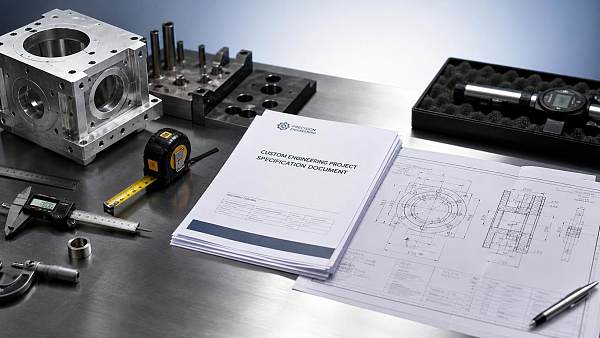
 Aug 15, 2026What to include in specification preparation support for custom projectsSpecification preparation support custom projects helps turn vague requirements into clear, actionable specs that reduce risk, improve procurement, and speed up successful delivery.
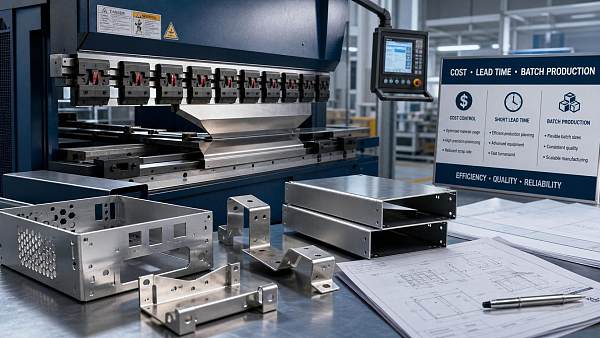
 Jul 02, 2026Sheet Metal Bending Services in Canada: Cost and Lead Time FactorsSheet metal bending services Canada: learn what drives cost and lead time, from material and bend complexity to capacity and quality control, so you can source smarter and reduce delivery risk.
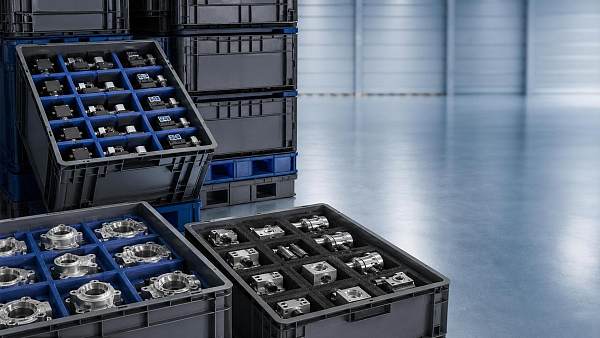
 Jun 25, 2026Returnable Transport Packaging for Automotive Parts: Cost vs Damage ReductionReturnable transport packaging for automotive parts: compare upfront cost vs long-term damage reduction, labor savings, and cleaner line-side delivery in automotive supply chains.
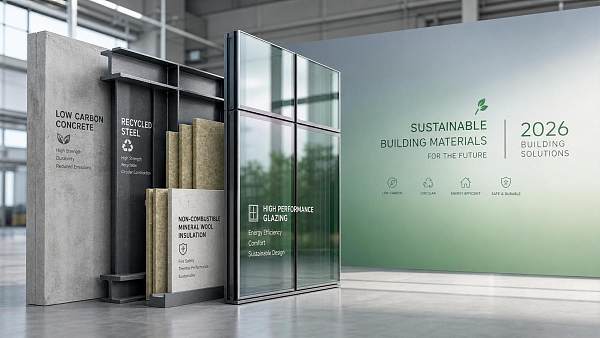
 Jun 23, 2026Sustainable Building Materials: What Performs Best in 2026?Sustainable building materials in 2026: discover which options deliver the best durability, compliance, and lifecycle value for high-performance, future-ready projects.
All Categories
Hot Articles
- How to verify a fire-rated door manufacturer’s product certificationOct 16, 2026Choosing a fire proof doors manufacturer? Learn how to verify certifications, match approved door configurations, and spot compliance gaps before you buy. Explore the checklist.
- How proof test intervals affect SIL metrics in process safetyOct 15, 2026Explore SIL metrics process safety teams rely on. Learn how proof test intervals affect PFDavg, risk reduction, and test coverage to make better-informed safety decisions.
- How to verify an explosion-proof siren factory's ATEX certificatesOct 14, 2026Verify an explosion proof siren factory's ATEX certificates with practical checks for authenticity, product scope and production conformity. Avoid costly sourcing mistakes before you buy.