
Smart Thermostats: Which Features Actually Lower Energy Bills?
TIME
Click count
Smart Thermostats: Which Features Actually Lower Energy Bills?
Smart thermostats are marketed as easy energy savers. That promise is partly true, but only when the right features match the building, climate, and operating pattern.
Some functions reduce waste in a measurable way. Others mainly improve convenience. For selection work, that difference matters more than glossy apps or voice assistant logos.
The strongest savings usually come from better control logic. In plain terms, smart thermostats lower bills when they cut unnecessary heating or cooling hours without hurting comfort.
This is why feature evaluation should focus on operational impact. The key question is not whether a thermostat is connected, but whether it can consistently prevent avoidable runtime.
From a decision perspective, the most useful smart thermostats combine adaptive scheduling, occupancy awareness, clear reporting, and compatibility with the HVAC system already installed.
What Actually Drives Savings in Smart Thermostats?
Energy savings come from fewer wasted heating and cooling cycles. Smart thermostats achieve that by adjusting setpoints, timing, and system response more precisely than manual control.
In practice, not every building has the same savings ceiling. A poorly insulated property may still waste energy even with an advanced thermostat.
By contrast, a reasonably sealed building with regular occupancy patterns often benefits quickly. That is especially true when previous control habits were inconsistent.
The most important savings drivers usually include:
- Reducing runtime during empty hours
- Avoiding overheating or overcooling
- Starting equipment closer to actual need
- Matching temperature control to real room use
- Flagging inefficient behavior through reports
So when comparing smart thermostats, the best models are not simply connected devices. They are control systems that reduce avoidable load with reliable automation.
The Features Most Likely to Lower Energy Bills
Adaptive Scheduling
Adaptive scheduling is one of the most valuable smart thermostats features. It learns preferred temperatures and applies them automatically at predictable times.
That sounds basic, but it matters because manual scheduling often fails. Users forget to update settings for weekends, travel, or seasonal changes.
A thermostat that adapts over time can reduce that human error. Savings are usually strongest in spaces with stable daily routines.
Occupancy Sensing and Geofencing
Occupancy sensing helps smart thermostats shift into setback mode when no one is present. Geofencing adds location-based control through a mobile device.
These features can cut wasted conditioning time, especially in homes or light commercial sites with irregular schedules. They are less effective where occupancy is constant.
Accuracy matters here. If the system frequently misreads presence, comfort complaints rise and users may disable the feature entirely.
Zoning Support
Zoning support can be a major cost reducer when parts of a building are used differently. Instead of conditioning every area equally, smart thermostats target occupied zones.
This is particularly useful in larger homes, mixed-use spaces, and buildings with strong solar gain differences between rooms. In those cases, one setpoint rarely fits all areas.
Still, zoning only works well when dampers, sensors, and duct design are set up correctly. A thermostat alone cannot fix weak air distribution.
Energy Reporting and Usage Insights
Energy reporting may not save money by itself, but it supports better decisions. Good smart thermostats show runtime trends, peak usage periods, and temperature adjustment patterns.
This creates visibility. More importantly, it helps verify whether scheduling changes are really reducing demand or simply shifting it.
For research and procurement work, transparent reporting is also useful for post-installation review. Without data, savings claims remain mostly anecdotal.
Learning Recovery and Weather Response
Some smart thermostats learn how long the building takes to heat or cool. They then start earlier or later to reach the target at the right time.
When combined with local weather response, this feature can avoid overly aggressive runtime. It is especially helpful in climates with fast outdoor temperature swings.
This is one of the more practical differences between entry-level and better smart thermostats. Smarter recovery often means smoother comfort with less energy waste.
Features That Sound Useful but Rarely Change the Bill
A polished mobile app is convenient, but convenience is not the same as efficiency. App control only lowers costs if it leads to better control behavior.
Voice control falls into a similar category. It can improve usability, yet it rarely produces measurable savings on its own.
Color displays and premium industrial design also have limited impact on operating cost. They may improve adoption, but they are not core energy features.
Another common misconception is that any smart thermostat guarantees lower bills. If the HVAC equipment short cycles, is oversized, or is badly maintained, savings may be modest.
This is why feature evaluation should separate operational value from consumer appeal. The best buying decisions stay focused on bill reduction, not interface novelty.
How Building Conditions Change Smart Thermostats Performance
Even the best smart thermostats perform differently across sites. Building envelope quality, climate, equipment type, and occupancy pattern all influence the outcome.
For example, a heat pump system may need thermostat logic designed for staged operation. A basic model can reduce efficiency if it handles auxiliary heat poorly.
Likewise, older multi-zone systems may need compatibility checks before installation. Incompatibility can cancel expected savings and increase service calls.
The general pattern looks like this:
That also means benchmarking should include the site context. Smart thermostats are not isolated products; they are part of a larger HVAC control environment.
What to Verify Before Buying Smart Thermostats
A strong shortlist starts with verification, not branding. Before selecting smart thermostats, confirm the technical and operational fit in a structured way.
- Check HVAC compatibility, including stages, heat pump logic, and wiring requirements.
- Review whether occupancy patterns are stable enough for scheduling or sensing features.
- Confirm if zoning hardware already exists or would need added investment.
- Assess reporting quality, including runtime data and historical comparison views.
- Estimate savings against building envelope limits and current control habits.
- Verify support, firmware reliability, and long-term app maintenance.
This verification stage is often overlooked. Yet it is where realistic savings expectations are set and poor-fit products are filtered out early.
In more technical procurement environments, this approach mirrors wider control-system evaluation. Measurable performance matters more than feature count on a comparison sheet.
A Practical Selection View
If the goal is lower utility cost, prioritize smart thermostats with adaptive scheduling, dependable occupancy logic, solid zoning support, and transparent energy reporting.
Treat app polish, display style, and voice features as secondary filters. They may improve user experience, but they rarely decide the energy outcome.
The better signal is operational alignment. Smart thermostats deliver the best return when the control strategy fits how the building is actually used.
For that reason, final selection should combine feature review, system compatibility, and expected behavioral change. Savings come from that combination, not from connectivity alone.
A careful comparison now makes later results easier to verify. And that is the clearest path to choosing smart thermostats that genuinely lower energy bills.
Recommended News
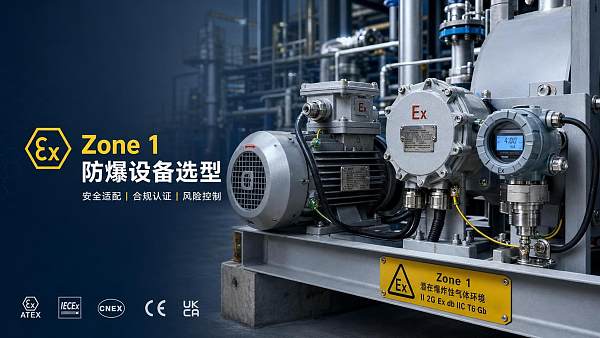
 Jul 28, 2026Explosion Protection Zone 1: Key Equipment Selection RisksExplosion protection Zone 1 selection often fails at gas group, temperature class, and installation details. Learn the hidden risks and choose safer, compliant equipment with confidence.
 Jul 12, 2026When a Safety Shutdown System Reduces Downtime and RiskSafety shutdown system strategies can cut downtime, contain risk, and speed recovery. Learn how smarter shutdown design protects uptime, assets, and project performance.
 Jul 10, 2026Industrial Safety Systems Control Panels: Common Design Risks and FixesIndustrial safety systems control panels design risks can trigger trips, heat issues, and compliance gaps. Discover the most common failures and practical fixes to improve uptime and safety.
![]() Jul 07, 2026Regulatory Compliance Intelligence for Electronics: What to Track in 2026Regulatory compliance intelligence electronics leaders need for 2026: track traceability, cybersecurity, PFAS, batteries, and regional rules to cut launch delays and protect market access.
Jul 07, 2026Regulatory Compliance Intelligence for Electronics: What to Track in 2026Regulatory compliance intelligence electronics leaders need for 2026: track traceability, cybersecurity, PFAS, batteries, and regional rules to cut launch delays and protect market access.

All Categories
Hot Articles
- How to select hazardous area protection for offshore oil and gas sitesSep 12, 2026Hazardous area protection oil and gas guide for offshore sites—select certified, durable solutions that meet zoning, temperature, cable-entry, and maintenance demands.
- What to verify before choosing an electronics industry solutions supplierSep 11, 2026Electronics industry solutions supplier checklist: verify engineering expertise, traceability, compliance, quality controls, supply resilience, and lifecycle support before you buy.
- How to verify a supplier’s SIL metrics before selecting gas detectorsSep 10, 2026SIL metrics supplier guide: learn how to verify certificates, FMEDA data, proof tests, and lifecycle support before selecting gas detectors for safety-critical SIFs.