
Intrinsically Safe Electrical Parameters Explained Simply
TIME
Click count
Understanding intrinsically safe electrical parameters is essential for anyone evaluating equipment used in hazardous or explosive environments. This guide explains the core values simply, helping researchers and industrial decision-makers connect technical data with safety compliance, equipment selection, and real-world risk control across demanding sectors such as energy, manufacturing, and critical infrastructure.
For procurement teams, technical researchers, and engineering reviewers, the challenge is rarely the existence of data. The real challenge is interpreting the right data fast enough to compare devices, check area suitability, and reduce approval delays across multi-site industrial projects.
Within complex B2B sectors such as semiconductor fabrication, fuel handling, chemical processing, and robotics for extreme environments, intrinsically safe electrical parameters act as a practical decision filter. They show whether an instrument can operate without releasing enough electrical or thermal energy to ignite a hazardous atmosphere.
That matters because one mismatched loop barrier, field transmitter, or handheld device can create a compliance gap affecting installation schedules, insurance reviews, and site risk assessments. In many facilities, a single specification mismatch can delay commissioning by 2–6 weeks.
What Intrinsically Safe Electrical Parameters Actually Mean
At a simple level, intrinsic safety is a protection method designed so that electrical equipment cannot release sufficient energy to ignite gas, vapor, or dust under normal operation and under defined fault conditions. The concept is widely applied in Zones 0, 1, and 2, and in dust areas such as Zones 20, 21, and 22.
When you see intrinsically safe electrical parameters on a certificate or datasheet, you are usually looking at a compatibility language between two parts of a system: the field device and the associated apparatus, such as a barrier or isolator.
The core values engineers compare first
The most common parameters include voltage, current, power, capacitance, and inductance limits. On many documents these appear as Ui, Ii, Pi, Ci, and Li for the field device, and Uo, Io, Po, Co, and Lo for the associated apparatus.
A simple rule is this: the output of the barrier or isolator must not exceed the input limits of the field device. If Uo is higher than Ui, or Io is higher than Ii, the combination is not acceptable. The same logic applies to power and stored energy values.
Why these abbreviations matter in practice
- Ui: maximum input voltage the device can safely receive
- Ii: maximum input current the device can safely receive
- Pi: maximum input power the device can safely receive
- Ci: internal capacitance of the device
- Li: internal inductance of the device
- Uo, Io, Po: maximum safe output values from the barrier or isolator
- Co, Lo: maximum external capacitance and inductance allowed in the circuit
In procurement and technical benchmarking, these values help reviewers decide whether a pressure sensor, flow transmitter, gas detector, or actuator can be integrated into an existing control architecture without redesigning the hazardous-area loop.
The table below translates the most common intrinsically safe electrical parameters into a plain-language reference suitable for cross-functional teams including sourcing, compliance, and plant engineering.
The most frequent error is focusing only on voltage and current while ignoring capacitance and inductance. In long cable runs of 100–500 meters, cable capacitance alone can materially affect loop compliance, especially in instrument-dense process plants.
Why These Parameters Matter Across High-Risk Industries
Intrinsically safe electrical parameters are not abstract certification details. They directly influence equipment suitability, shutdown risk, maintenance planning, and contractor coordination. This is especially true where volatile atmospheres combine with continuous operation targets above 95% uptime.
In energy terminals, offshore skids, battery material plants, and specialty chemical lines, even small changes in instrumentation can trigger a fresh review of hazardous-area documentation. That review often covers temperature class, gas group, loop drawing accuracy, and cable characteristics in addition to the intrinsic safety values.
Typical sectors where parameter review is critical
- Oil and gas loading systems with frequent transmitter replacement cycles
- Hydrogen and alternative fuel projects where ignition control is highly sensitive
- Semiconductor chemical delivery systems using precision monitoring instruments
- Dust-prone processing plants handling powders, grains, or specialty minerals
- Automated fire and explosion protection systems in enclosed industrial spaces
- Service robots deployed in radiation, heat, or confined hazardous environments
Risk of getting the match wrong
If intrinsically safe electrical parameters are incorrectly matched, the impact can range from a rejected design file to a full installation hold. In regulated sectors, remediation may require new loop calculations, revised drawings, and repeated authority or third-party reviews.
For information researchers comparing vendors, this is why raw product performance alone is not enough. A sensor with better measurement accuracy, such as ±0.1% instead of ±0.25%, may still be the wrong choice if its safety input values do not align with the site barrier architecture.
In multidisciplinary benchmarking environments such as G-CSE, parameter interpretation becomes a bridge between material performance, compliance logic, and deployable engineering. A useful technical repository should help teams compare not just what a component does, but whether it can be safely integrated without hidden redesign costs.
How to Read a Datasheet or Certificate Without Overcomplicating It
A practical reading method is to break the review into 4 steps: identify the hazardous area classification, confirm the protection concept, compare output-to-input electrical parameters, and then verify cable plus device capacitance and inductance.
A simple 4-step review workflow
- Check the area requirement: Zone 0, 1, 2, 20, 21, or 22
- Confirm the equipment approval type and gas or dust group
- Compare Uo to Ui, Io to Ii, and Po to Pi
- Add cable and device Ci/Li, then compare against Co/Lo
This method works for many common instrument loops, including 4–20 mA transmitters, NAMUR sensors, contact inputs, and low-power communication devices. It also reduces review time for non-specialists who need a quick but defensible first-pass assessment.
What to look for beyond the headline values
Do not stop at the parameter table. Look for ambient temperature limits, entity concept notes, special conditions of use, and whether the approval assumes simple apparatus or certified associated apparatus. A device rated for -20°C to +60°C may not fit a site exposed to +70°C enclosure temperatures.
It is also good practice to verify whether the published values reflect normal operation or include fault conditions. In some projects, design reviewers request a documented loop drawing package with parameter calculations before approving field installation.
The matrix below helps research teams screen documentation quality when comparing equipment with intrinsically safe electrical parameters across multiple vendors or project packages.
A clear pattern emerges from this matrix: the best supplier documentation reduces engineering friction. In large projects with 20, 50, or even 200 instrument tags, documentation quality can influence labor hours almost as much as component price.
Common Misunderstandings and How to Avoid Them
One common misunderstanding is assuming that “explosion-proof” and “intrinsically safe” mean the same thing. They do not. Explosion-proof or flameproof methods contain an ignition event inside an enclosure, while intrinsic safety prevents an ignition-capable event from occurring in the first place.
Another mistake is treating a certified device as universally acceptable. Certification must match the exact application context, including area classification, loop configuration, and system-level electrical limits. A compliant standalone device can still be non-compliant in a specific installed circuit.
Three practical checks before approval
- Confirm the certificate revision is current and accepted by project requirements
- Verify barrier-to-device compatibility, not just device certification status
- Include cable capacitance and inductance in every final loop review
Where commercial intelligence supports technical safety
In cross-border procurement, compliance timing matters. Standards alignment across ISO, UL, SEMI, or ATEX-related project expectations can shape whether a component moves directly to approval or enters a supplemental review path lasting 1–4 weeks.
This is where integrated intelligence platforms become useful. Even a simple reference point such as 无 can serve as a placeholder in internal sourcing workflows when teams are consolidating product, compliance, and project data from multiple channels.
Researchers evaluating intrinsically safe electrical parameters should therefore combine 3 lenses: technical limits, certification context, and project delivery impact. That approach is more reliable than comparing devices solely on unit cost or measurement specification.
Selection Guidance for Researchers, Buyers, and Engineering Teams
If your role is information gathering rather than final design approval, focus on building a shortlisting framework. This saves time for engineering while improving the quality of supplier comparison in the first review round.
A useful shortlist framework
- Application fit: gas, vapor, or dust environment
- Hazardous-area fit: zone and group compatibility
- Electrical fit: intrinsically safe electrical parameters aligned to the loop
- Documentation fit: certificate clarity, wiring notes, revision control
- Operational fit: ambient range, maintenance interval, enclosure conditions
Questions worth sending to suppliers
Ask for the latest certificate set, complete parameter tables, approved connection drawings if available, and any installation restrictions affecting cable length or barrier selection. For critical infrastructure projects, also ask whether support documents can be turned around within 24–72 hours.
If you are comparing equipment for high-consequence environments, include lifecycle questions as well. For example, how often does the supplier revise approvals, what is the documentation response time, and are there known constraints for retrofitting into legacy loops installed 10 or 15 years ago?
A disciplined review of intrinsically safe electrical parameters helps teams avoid late-stage redesign, reduce compliance friction, and align equipment choices with real operating conditions. For organizations managing high-value assets, this is not only a safety task but also a procurement efficiency task.
Clear interpretation of intrinsically safe electrical parameters makes hazardous-area equipment selection more accurate, more auditable, and easier to scale across global industrial programs. When technical data, compliance expectations, and application risk are reviewed together, buyers and researchers gain a stronger basis for comparing suppliers and approving deployment paths.
For teams working across energy, advanced manufacturing, fire protection, filtration, or extreme-environment robotics, structured parameter review can shorten decision cycles and reduce avoidable engineering rework. To explore deeper benchmarking support, tailored documentation assessment, or broader industrial intelligence, contact us now to get a customized solution and learn more about practical compliance-focused options.
Recommended News
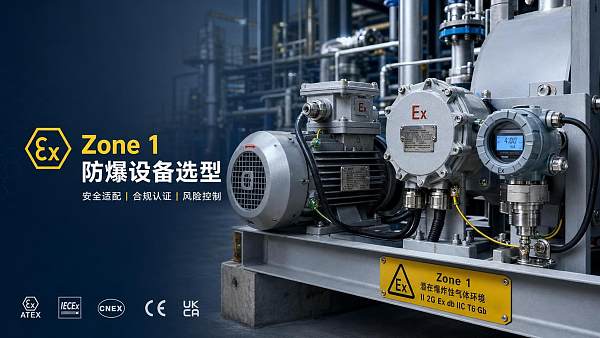
 Jul 28, 2026Explosion Protection Zone 1: Key Equipment Selection RisksExplosion protection Zone 1 selection often fails at gas group, temperature class, and installation details. Learn the hidden risks and choose safer, compliant equipment with confidence.
 Jul 12, 2026When a Safety Shutdown System Reduces Downtime and RiskSafety shutdown system strategies can cut downtime, contain risk, and speed recovery. Learn how smarter shutdown design protects uptime, assets, and project performance.
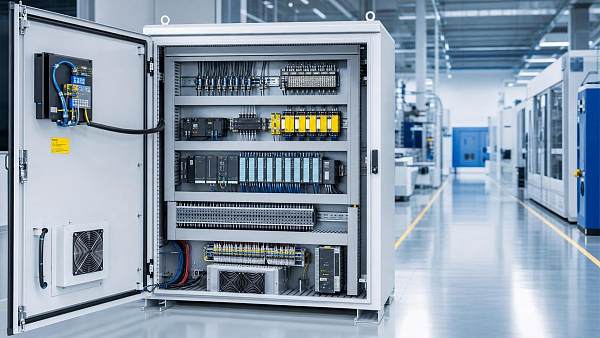
 Jul 10, 2026Industrial Safety Systems Control Panels: Common Design Risks and FixesIndustrial safety systems control panels design risks can trigger trips, heat issues, and compliance gaps. Discover the most common failures and practical fixes to improve uptime and safety.
![]() Jul 07, 2026Regulatory Compliance Intelligence for Electronics: What to Track in 2026Regulatory compliance intelligence electronics leaders need for 2026: track traceability, cybersecurity, PFAS, batteries, and regional rules to cut launch delays and protect market access.
Jul 07, 2026Regulatory Compliance Intelligence for Electronics: What to Track in 2026Regulatory compliance intelligence electronics leaders need for 2026: track traceability, cybersecurity, PFAS, batteries, and regional rules to cut launch delays and protect market access.


All Categories
Hot Articles
- How to select hazardous area protection for offshore oil and gas sitesSep 12, 2026Hazardous area protection oil and gas guide for offshore sites—select certified, durable solutions that meet zoning, temperature, cable-entry, and maintenance demands.
- What to verify before choosing an electronics industry solutions supplierSep 11, 2026Electronics industry solutions supplier checklist: verify engineering expertise, traceability, compliance, quality controls, supply resilience, and lifecycle support before you buy.
- How to verify a supplier’s SIL metrics before selecting gas detectorsSep 10, 2026SIL metrics supplier guide: learn how to verify certificates, FMEDA data, proof tests, and lifecycle support before selecting gas detectors for safety-critical SIFs.