How to Evaluate an Automation Industry Solutions Exporter
TIME
Click count
How to Evaluate an Automation Industry Solutions Exporter
Choosing the right automation industry solutions exporter is not just a sourcing task. It shapes safety, compliance, uptime, and long-term project economics.
In complex industrial settings, the wrong exporter creates hidden friction. Delays, weak documentation, poor commissioning support, and compliance gaps usually surface late, when correction costs are highest.
A strong automation industry solutions exporter does more than ship equipment. It proves technical fit, manages export complexity, and supports stable performance across the full operating lifecycle.
That is especially important in high-pressure manufacturing, energy infrastructure, aerospace, and other mission-critical environments. In these sectors, resilience is an engineering requirement, not a marketing phrase.
The most effective evaluation process is structured. It compares exporters on measurable capability, risk exposure, and delivery discipline, rather than price alone.
Start with Use-Case Fit, Not Product Catalog Size
Many buyers begin with product range. That matters, but it should not lead the decision.
First define the operating environment. Temperature swings, chemical exposure, vibration, pressure variation, dust load, cleanroom demands, and maintenance access all affect solution selection.
Then ask whether the automation industry solutions exporter has delivered in similar conditions. A broad catalog is less valuable than repeated success in environments that match your risk profile.
This is where technical benchmarking becomes useful. Exporters serving critical assets should show verifiable data, not just generic application notes.
- Validated performance under defined operating loads
- Compatibility with upstream and downstream systems
- Evidence from similar industries or adjacent extreme applications
- Documented limits, failure modes, and maintenance intervals
If an exporter cannot connect its proposal to your exact use case, the commercial discussion is premature. Fit comes before negotiation.
Check Technical Depth Behind the Sales Pitch
A capable automation industry solutions exporter should have engineering depth behind every quote. That means design review capability, application knowledge, and technical accountability.
Look closely at how the exporter handles technical questions. Fast answers are useful, but precise answers matter more.
For example, if the scope involves filtration skids, robotic handling, fastening systems, or fire protection interfaces, the exporter should explain integration boundaries clearly.
More important, it should state what is included, what is excluded, and which assumptions could change performance or compliance.
Questions worth asking early
- Can you provide performance data from installations with similar duty cycles?
- Which international standards does this solution meet?
- What are the known limitations under abnormal or peak-load conditions?
- How do you manage design revisions after factory acceptance?
- Who owns integration risk when third-party systems are involved?
From recent market shifts, a clearer signal is emerging. Strong exporters are becoming data-driven engineering partners, not simple cross-border traders.
Verify Compliance, Certification, and Documentation Discipline
Compliance risk is one of the most expensive sourcing mistakes. It can delay approvals, block commissioning, or trigger redesign after delivery.
A reliable automation industry solutions exporter should show fluency in global standards relevant to your project. Depending on the application, that may include ISO, UL, SEMI, ATEX, CE, or local market requirements.
Do not stop at certificate names. Review certificate scope, issuing body, validity, and product-to-document traceability.
In actual projects, documentation quality often predicts delivery quality. Weak document control usually points to deeper process weakness.
- Material certificates and inspection records
- Factory acceptance test protocols
- Installation, operation, and maintenance manuals
- Spare parts lists and lifecycle support documents
- Revision control for drawings, software, and wiring details
A credible automation industry solutions exporter treats documentation as part of the product. That mindset reduces commissioning risk and improves audit readiness.
Assess Manufacturing Control and Supply Chain Resilience
Export capability is not only about logistics. It starts at manufacturing control.
Ask whether the automation industry solutions exporter owns production, manages qualified subcontractors, or mainly aggregates external products. Each model carries different risk.
This also matters when raw material prices become unstable. High-purity silica, specialty ceramics, rare earth inputs, and electronics components can change cost and availability quickly.
A dependable exporter should explain how it manages vendor qualification, batch consistency, lead-time buffers, and substitute material approval.
What resilient supply looks like
The best automation industry solutions exporter usually shows these traits:
- Multi-source planning for critical components
- Clear change-notification procedures
- Transparent production scheduling
- Traceability from raw material to shipped assembly
- Defined escalation paths for shortages and delays
These signals matter because delivery failure rarely begins at the loading dock. It usually starts much earlier inside sourcing, production planning, or quality control.
Look Beyond Unit Price to Total Project Risk
Price comparison is necessary, but isolated unit pricing often hides the real cost picture. That is where poor exporter selection becomes expensive.
When evaluating an automation industry solutions exporter, compare total landed and operational cost. Include rework, spare inventory, downtime exposure, compliance remediation, and service response time.
This is especially relevant in critical systems. One weak subsystem can interrupt far more valuable upstream or downstream operations.
A lower quote from an unproven automation industry solutions exporter can become the most expensive option once exceptions start appearing.
Measure Service Capability After Shipment
Export delivery is not the finish line. Real value appears during installation, startup, troubleshooting, and lifecycle maintenance.
Ask the automation industry solutions exporter what happens after arrival. Can it support remote diagnostics, spare part planning, training, and urgent technical escalation?
This also means checking response structure. A generic support inbox is not enough for critical applications.
Better exporters define service windows, escalation ownership, field support options, and software or firmware update procedures where relevant.
In practice, service maturity often separates a transactional vendor from a dependable automation industry solutions exporter.
Use a Practical Evaluation Scorecard
A scorecard keeps selection disciplined. It also helps internal stakeholders align faster when several exporters look similar at first glance.
You can score each automation industry solutions exporter across five weighted categories:
- Application fit and proven references
- Compliance and documentation strength
- Manufacturing and supply chain resilience
- Commercial clarity and total cost
- Commissioning, support, and lifecycle service
Weight the score according to project exposure. For hazardous zones or critical uptime operations, compliance and service may deserve more weight than initial price.
That approach creates a decision trail you can defend later. It also reduces the influence of polished presentations that lack operational substance.
Final Decision: Choose Evidence Over Promises
The right automation industry solutions exporter should make risk easier to understand, not harder to uncover. That is the core test.
Look for exporters that combine technical evidence, standards awareness, disciplined documentation, and post-shipment accountability. Those are the foundations of resilient project delivery.
For complex industrial programs, a credible automation industry solutions exporter is part engineering resource, part compliance partner, and part supply chain stabilizer.
Before issuing a final award, run one last check. Review use-case fit, certificate traceability, documentation quality, delivery assumptions, and service response commitments in one place.
That final discipline turns exporter selection into a controlled decision. In high-stakes automation projects, that is where better outcomes usually begin.
Recommended News
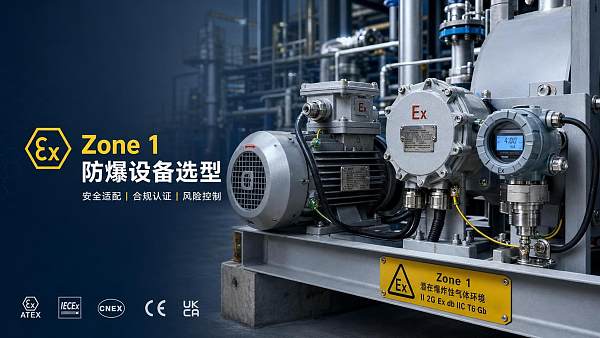
 Jul 28, 2026Explosion Protection Zone 1: Key Equipment Selection RisksExplosion protection Zone 1 selection often fails at gas group, temperature class, and installation details. Learn the hidden risks and choose safer, compliant equipment with confidence.
 Jul 12, 2026When a Safety Shutdown System Reduces Downtime and RiskSafety shutdown system strategies can cut downtime, contain risk, and speed recovery. Learn how smarter shutdown design protects uptime, assets, and project performance.
 Jul 10, 2026Industrial Safety Systems Control Panels: Common Design Risks and FixesIndustrial safety systems control panels design risks can trigger trips, heat issues, and compliance gaps. Discover the most common failures and practical fixes to improve uptime and safety.
![]() Jul 07, 2026Regulatory Compliance Intelligence for Electronics: What to Track in 2026Regulatory compliance intelligence electronics leaders need for 2026: track traceability, cybersecurity, PFAS, batteries, and regional rules to cut launch delays and protect market access.
Jul 07, 2026Regulatory Compliance Intelligence for Electronics: What to Track in 2026Regulatory compliance intelligence electronics leaders need for 2026: track traceability, cybersecurity, PFAS, batteries, and regional rules to cut launch delays and protect market access.


All Categories
Hot Articles
- How to select hazardous area protection for offshore oil and gas sitesSep 12, 2026Hazardous area protection oil and gas guide for offshore sites—select certified, durable solutions that meet zoning, temperature, cable-entry, and maintenance demands.
- What to verify before choosing an electronics industry solutions supplierSep 11, 2026Electronics industry solutions supplier checklist: verify engineering expertise, traceability, compliance, quality controls, supply resilience, and lifecycle support before you buy.
- How to verify a supplier’s SIL metrics before selecting gas detectorsSep 10, 2026SIL metrics supplier guide: learn how to verify certificates, FMEDA data, proof tests, and lifecycle support before selecting gas detectors for safety-critical SIFs.