
Gas Detector Sensitivity Thresholds That Reduce False Alarms
TIME
Click count
For technical evaluators, setting gas detector sensitivity thresholds is a critical balance between rapid hazard detection and operational stability.
Poor calibration can trigger costly false alarms, disrupt production, and weaken trust in safety systems.
This article explains how gas detector sensitivity thresholds can be optimized through risk profiles, environmental variables, and compliance requirements.
The goal is better detection accuracy without compromising industrial safety across complex operating environments.
Understanding Gas Detector Sensitivity Thresholds
Gas detector sensitivity thresholds define the concentration level that triggers an alarm, warning, or control response.
They are not just technical settings. They shape safety behavior, maintenance workload, and process continuity.
In most systems, thresholds are set against toxic exposure limits, flammable gas percentages, or oxygen depletion ranges.
A threshold that is too low may detect harmless fluctuations and create nuisance alarms.
A threshold that is too high may delay response to real leaks, ignition risks, or exposure events.
Effective gas detector sensitivity thresholds must match the sensing technology, target gas, and operational risk profile.
What influences the threshold setting
- Gas type and toxicity or flammability characteristics
- Sensor response time and cross-sensitivity
- Ventilation patterns and air movement
- Temperature, humidity, dust, and vibration
- Regulatory alarm points and internal risk tolerance
Why False Alarms Increase in Industrial Environments
False alarms rarely come from one mistake alone. They usually result from mismatched thresholds and unstable field conditions.
Across energy, manufacturing, logistics, and infrastructure, detector placement also affects signal quality.
Transient vapors, cleaning agents, startup emissions, and calibration drift can all distort detector readings.
When alarms occur too often, operators may question their urgency. That weakens response discipline over time.
This is why gas detector sensitivity thresholds must be engineered for realistic conditions, not laboratory assumptions.
Common sources of nuisance alarms
How Risk Profiles Improve Threshold Accuracy
The most reliable gas detector sensitivity thresholds start with a formal hazard analysis.
Different facilities face different gas release patterns, occupancy levels, and shutdown consequences.
A semiconductor cleanroom, fuel terminal, battery plant, and wastewater station should not share identical alarm logic.
Risk-based threshold planning connects detection levels to actual harm scenarios and escalation timing.
Key risk dimensions
- Immediate ignition or explosion potential
- Short-term or cumulative toxic exposure
- Ventilation effectiveness during a release
- Evacuation time and access constraints
- Impact of shutdown on critical operations
Many sites use two or three alarm stages. A low alarm prompts investigation, while higher alarms trigger isolation or evacuation.
This staged approach helps reduce false alarms while preserving early warning capability.
Environmental Variables That Shift Detector Performance
Even well-designed gas detector sensitivity thresholds can fail if environmental variables are ignored.
Electrochemical, catalytic, infrared, and photoionization sensors each react differently to field conditions.
For example, catalytic sensors may underperform in oxygen-poor atmospheres. Infrared sensors may better resist poisoning in some applications.
Humidity can alter baseline stability. Dust can block diffusion paths. Thermal layers can keep gas away from the detector.
Threshold optimization therefore depends on both the sensor principle and the physical environment.
Environmental review checklist
- Map normal temperature and humidity ranges.
- Identify airborne contaminants and cleaning chemicals.
- Review airflow during startup, shutdown, and emergency ventilation.
- Test detector behavior during realistic process variations.
Some technical teams benchmark detector components and system resilience through specialist references such as 无.
Compliance Requirements and Alarm Setpoint Discipline
Compliance is a baseline, not a complete optimization strategy.
Gas detector sensitivity thresholds often reference OSHA exposure limits, ATEX area expectations, NFPA practices, or ISO-aligned internal procedures.
In hazardous operations, alarm settings must be documented, justified, and linked to maintenance records.
Auditors usually look for traceability between hazard assessment, detector selection, calibration intervals, and setpoint changes.
Uncontrolled threshold changes can create legal exposure after an incident.
What documented threshold governance should include
Typical Threshold Strategies by Scenario
The best gas detector sensitivity thresholds depend on the release behavior and business consequence of each area.
In some benchmarking workflows, broader system references may also be reviewed through 无.
Practical Steps to Reduce False Alarms
Reducing nuisance alarms does not mean making the system less sensitive. It means making it more selective and better verified.
Recommended actions
- Review alarm history for repeating patterns by shift, season, and process state.
- Separate true gas events from maintenance, washdown, or startup disturbances.
- Confirm placement height using gas density and airflow modeling.
- Use staged delays only when they do not increase exposure risk.
- Replace aging sensors before drift becomes chronic.
- Validate gas detector sensitivity thresholds after any ventilation or process modification.
It is also useful to compare field alarm data with incident reports, preventive maintenance logs, and near-miss trends.
That integrated view often reveals whether the real problem is threshold selection, sensor type, or operating discipline.
Operational Next Steps
Gas detector sensitivity thresholds should be treated as a living control parameter, not a one-time setup value.
A strong next step is to audit each monitored zone against gas properties, sensor technology, environmental stress, and incident consequences.
Then confirm that alarm stages, calibration intervals, and response procedures remain aligned.
When gas detector sensitivity thresholds are based on evidence, false alarms decline and safety credibility improves.
That outcome supports safer operations, stronger compliance, and more stable performance across critical industrial systems.
Recommended News
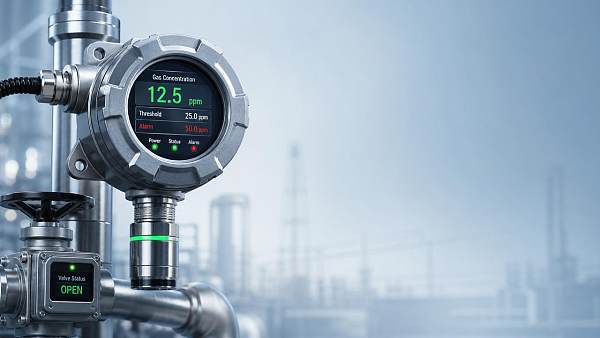
 May 28, 2026Gas Detector Sensitivity Thresholds: How Low Is Safe Enough?Gas detector sensitivity thresholds explained: learn how to judge what is truly safe enough by balancing exposure limits, response time, reliability, and real-world compliance.
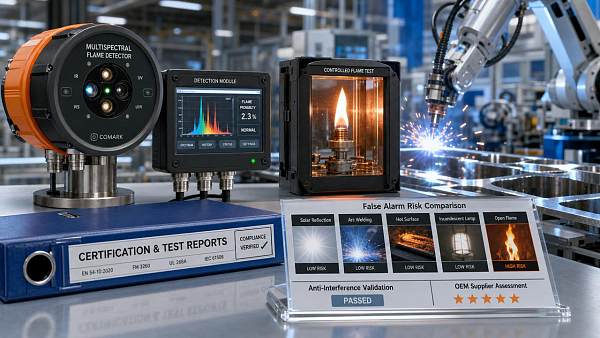
 May 27, 2026How to Compare Flame Detector OEM Suppliers for False Alarm RiskFlame detector OEM supplier comparison starts with false alarm risk. Learn the checklist, test evidence, and warning signs to choose a more reliable, field-proven partner.
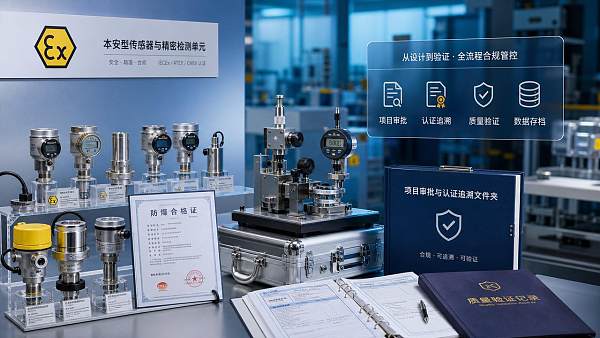
 May 26, 2026Intrinsically Safe Sensors Factory: What to Verify Before 2026 Project ApprovalIntrinsically safe sensors factory selection starts with certification, traceability, and change-control checks. See what to verify before 2026 project approval.
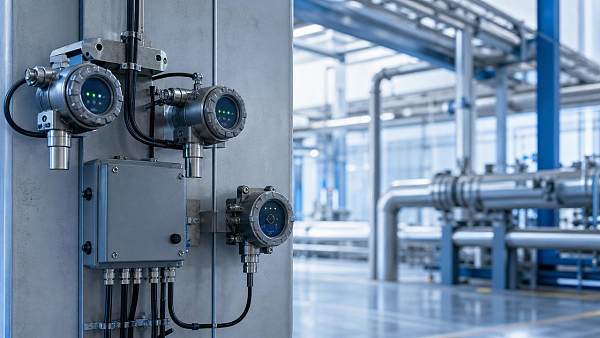
 May 25, 2026Gas Leak Detector Manufacturer: 7 Signs of Reliable QualityGas leak detector manufacturer selection affects safety, compliance, and uptime. Discover 7 reliable quality signs to reduce risk and choose with confidence.
All Categories
Hot Articles
- Dental Chairs: Infection Control Features That MatterMay 30, 2026Dentalchairs with smart infection control features help clinics improve hygiene, speed room turnover, protect staff, and reduce lifecycle costs.
- Home Dialysis Machines: Key Specs Before SelectionMay 30, 2026Home dialysis machines require careful review of safety, fluid control, connectivity, and lifecycle cost. Explore key specs to choose reliable home renal care systems.
- HEPA/ULPA Filters Market Forecast 2026: Demand SignalsMay 30, 2026Market Forecast 2026: discover key HEPA/ULPA filter demand signals, from semiconductor cleanrooms and life sciences validation to supply resilience and lifecycle cost.