
Gas Detector Sensitivity Thresholds: Avoid False Alarms
TIME
Click count
For high-risk industrial operations, gas detector sensitivity thresholds shape both safety performance and business continuity. The right setting helps detect hazards early without creating disruptive alarm noise.
When gas detector sensitivity thresholds are too low, nuisance alarms can interrupt production, trigger unnecessary evacuation, and reduce trust in the system. When set too high, real leaks may be detected too late.
In complex environments such as semiconductor plants, energy facilities, and advanced manufacturing lines, threshold selection must combine risk analysis, detector capability, ventilation patterns, and compliance obligations.
What are gas detector sensitivity thresholds, and why do they matter?
Gas detector sensitivity thresholds are predefined concentration points that trigger alerts, warnings, or shutdown actions. They determine when a detector moves from monitoring to alarm response.
These thresholds are often set as low alarm, high alarm, and sometimes critical trip levels. Each level supports a different operational response, from inspection to evacuation or process isolation.
The challenge is not simply choosing the lowest possible setting. Effective gas detector sensitivity thresholds must fit gas type, exposure risk, process variability, and sensor technology limits.
A threshold strategy should reflect the difference between toxic exposure, oxygen deficiency, and flammable gas accumulation. Each hazard class requires its own logic and response timing.
Key threshold categories
- Low alarm: early warning for investigation.
- High alarm: urgent action or controlled shutdown.
- Critical trip: automatic safety interlock activation.
- Fault threshold: sensor drift or failure indication.
How do false alarms happen when gas detector sensitivity thresholds are poorly set?
False alarms are not always caused by bad equipment. Very often, they result from threshold settings that ignore real operating conditions and expected background fluctuations.
A detector placed near vents, loading points, washdown zones, or intermittent emissions may see harmless spikes. If gas detector sensitivity thresholds are too aggressive, those spikes create repeat alarms.
Sensor cross-sensitivity is another common issue. Some electrochemical and infrared devices may react to non-target compounds, cleaning agents, solvents, steam, or process byproducts.
Temperature swings, humidity shifts, dust, vibration, and airflow turbulence can also distort readings. A threshold that looked reasonable in a lab may behave poorly on a live industrial line.
Typical causes of nuisance alarms
- Ignoring normal background concentration levels.
- Placing detectors too close to transient release points.
- Using one threshold standard across different process zones.
- Failing to compensate for cross-interference.
- Poor calibration and delayed maintenance.
How should gas detector sensitivity thresholds be selected for different applications?
The best gas detector sensitivity thresholds depend on hazard severity, occupancy, process criticality, and how fast a leak can escalate. One universal setting is rarely appropriate.
For toxic gases, thresholds often align with occupational exposure limits, short-term exposure limits, and emergency response criteria. The aim is to protect personnel before harmful exposure accumulates.
For combustible gases, settings are commonly based on percentages of the lower explosive limit. Early alarms support intervention before the atmosphere approaches ignition danger.
For oxygen monitoring, thresholds must address both deficiency and enrichment. Both conditions can create severe hazards, especially in confined spaces and specialty gas environments.
Application factors to review
- Gas properties, toxicity, and flammability.
- Release rate and worst-case leak scenario.
- Ventilation design and airflow direction.
- Detector response time and recovery time.
- Occupancy duration and access restrictions.
- Required shutdown logic and escalation path.
Example by environment
Which standards and performance criteria should guide threshold decisions?
Compliance should never be reduced to a single number. Gas detector sensitivity thresholds must fit the standards relevant to the site, gas family, and national safety framework.
Important references may include ISO, UL, ATEX, IECEx, OSHA guidance, local fire codes, and site-specific engineering rules. In some sectors, SEMI-related requirements also influence performance expectations.
Standards help define detector placement, response characteristics, hazardous area suitability, and proof of functional reliability. However, they do not replace application-specific hazard studies.
A compliant detector can still perform poorly if gas detector sensitivity thresholds ignore process upset conditions, maintenance intervals, or actual ventilation behavior.
Performance checks before approval
- Calibration range fits expected exposure levels.
- Response time supports the required action window.
- Sensor technology matches the target gas profile.
- Alarm logic integrates with shutdown and ventilation controls.
- Certification matches hazardous location requirements.
What mistakes increase cost, delay implementation, or weaken protection?
One common mistake is copying gas detector sensitivity thresholds from another facility. Similar equipment does not guarantee similar airflow, occupancy, gas dispersion, or background conditions.
Another mistake is focusing only on purchase price. A cheaper detector with poor stability can create higher lifecycle cost through downtime, recalibration, and repeated alarm investigations.
Teams also underestimate commissioning. Threshold tuning often requires baseline monitoring, test releases, and review of real process cycles before final alarm levels are confirmed.
Maintenance planning matters just as much as initial setup. If sensor drift is not tracked, even well-chosen gas detector sensitivity thresholds become unreliable over time.
High-impact errors to avoid
- Setting alarms without a documented hazard review.
- Ignoring background gas mapping before commissioning.
- Using fixed thresholds where dynamic logic is needed.
- Skipping bump tests or extending calibration intervals without evidence.
- Failing to retrain staff after threshold changes.
How can gas detector sensitivity thresholds be optimized to reduce false alarms?
Optimization starts with data. Review alarm history, process logs, maintenance records, and ventilation performance together. False alarms usually reveal patterns that can be corrected systematically.
Consider staged alarm logic rather than a single trigger point. Multi-level gas detector sensitivity thresholds allow investigation at low levels and decisive action only when concentration continues rising.
Time delays can also help, but they must be applied carefully. A short validation delay may filter brief spikes, while still preserving fast response to sustained leaks.
Detector relocation may solve more problems than threshold adjustment alone. Moving a sensor away from turbulence or routine venting can sharply improve alarm quality.
Recommended optimization workflow
Quick FAQ on gas detector sensitivity thresholds
Well-designed gas detector sensitivity thresholds protect people, assets, and uptime at the same time. The strongest results come from combining standards, site data, realistic leak scenarios, and disciplined maintenance.
Before approving any detector specification, verify the threshold logic against actual operating conditions. A structured review now can prevent false alarms, hidden exposure risk, and expensive redesign later.
Recommended News
 Sep 10, 2026How to verify a supplier’s SIL metrics before selecting gas detectorsSIL metrics supplier guide: learn how to verify certificates, FMEDA data, proof tests, and lifecycle support before selecting gas detectors for safety-critical SIFs.
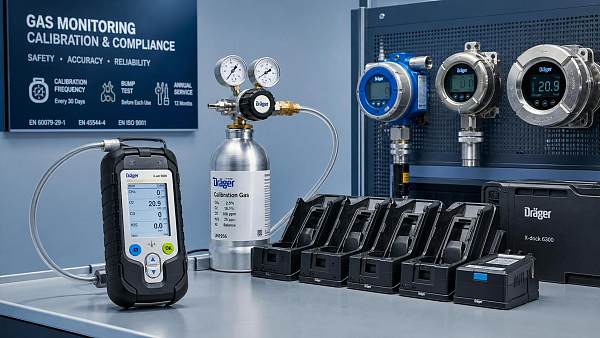
 Jul 15, 2026Gas Monitor Calibration Frequency in Europe: What Standards RequireGas monitor calibration frequency Europe explained: learn what EN standards, site risks, and manufacturer guidance require to build a compliant, audit-ready schedule.
![]() Jul 07, 2026Gas Monitor Calibration Frequency in Chemical Plants: Common Compliance GapsGas monitor calibration frequency chemical plant teams rely on can hide serious compliance gaps. Learn how to set defensible intervals, improve traceability, and reduce audit and safety risk.
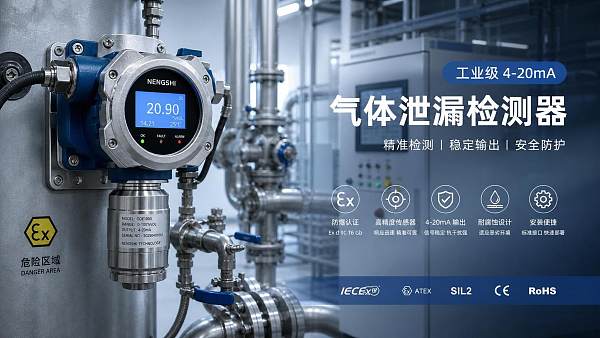
Jul 07, 2026Gas Monitor Calibration Frequency in Chemical Plants: Common Compliance GapsGas monitor calibration frequency chemical plant teams rely on can hide serious compliance gaps. Learn how to set defensible intervals, improve traceability, and reduce audit and safety risk. Jul 06, 2026How to Choose a 4 20mA Gas Leak Detector for Hazardous Areas4 20mA gas leak detector selection for hazardous areas starts with certification, sensor fit, signal stability, and durability. Learn how to compare options and choose with confidence.


All Categories
Hot Articles
- How to select hazardous area protection for offshore oil and gas sitesSep 12, 2026Hazardous area protection oil and gas guide for offshore sites—select certified, durable solutions that meet zoning, temperature, cable-entry, and maintenance demands.
- What to verify before choosing an electronics industry solutions supplierSep 11, 2026Electronics industry solutions supplier checklist: verify engineering expertise, traceability, compliance, quality controls, supply resilience, and lifecycle support before you buy.
- How to verify a supplier’s SIL metrics before selecting gas detectorsSep 10, 2026SIL metrics supplier guide: learn how to verify certificates, FMEDA data, proof tests, and lifecycle support before selecting gas detectors for safety-critical SIFs.