
How Explosion Protection Suppression Systems Reduce Downtime Risk
TIME
Click count
How Explosion Protection Suppression Systems Reduce Downtime Risk
For project managers and engineering leads, unplanned shutdowns rarely stay isolated. One ignition event can trigger equipment loss, missed output targets, delayed handovers, and expensive compliance reviews.
That is why explosion protection suppression systems matter far beyond basic incident response. Their real value is operational continuity, asset protection, and faster recovery in high-consequence facilities.
In practical terms, these systems detect and suppress an explosion in its earliest phase. That early intervention helps reduce pressure buildup, isolate hazards, and prevent cascading damage.
For sites handling combustible dust, flammable vapors, or volatile process materials, explosion protection suppression systems often become a key part of downtime risk strategy.
Why downtime risk escalates after a single explosion event
Downtime after an explosion is rarely caused by the blast alone. The larger cost usually comes from damaged process lines, contaminated systems, investigations, and delayed restart approvals.
A small event inside a dust collector, conveyor, silo, dryer, or process vessel can spread quickly. Secondary ignition, pressure propagation, and fragmented components make recovery slower and more costly.
From a project delivery view, this affects more than maintenance budgets. It can disrupt client commitments, commissioning schedules, insurance exposure, and contractor access planning.
This is where explosion protection suppression systems change the equation. They are designed to stop escalation before the event becomes a facility-wide outage.
How explosion protection suppression systems work in real operations
Most explosion protection suppression systems combine three functions: rapid detection, instant suppressant discharge, and coordinated isolation or shutdown logic.
Sensors identify the pressure rise or flame signature linked to an incipient explosion. The control unit then triggers suppressant canisters within milliseconds.
The suppressant interrupts combustion before destructive pressure fully develops. In many applications, this keeps the event contained inside the protected volume.
Integrated isolation devices can also prevent flame or pressure from moving through ducts, pipes, or interconnected process equipment. That detail is often critical for downtime control.
When properly engineered, explosion protection suppression systems support both immediate life safety and a faster return to operation after inspection and cleanup.
The direct link between suppression and lower downtime
The main reason explosion protection suppression systems reduce downtime risk is simple: less physical damage means fewer systems to repair, replace, and revalidate.
If the blast is contained early, structural housings are more likely to remain intact. Motors, filters, valves, instrumentation, and adjacent lines face lower impact loads.
That shortens outage duration in several ways:
- Less equipment replacement is required.
- Inspection scope is narrower and easier to complete.
- Secondary cleanup is limited.
- Adjacent production areas are less likely to stop.
- Restart approval is usually more straightforward.
In actual plants, the avoided downtime can outweigh the original system cost many times over, especially in continuous or high-throughput operations.
Where explosion protection suppression systems deliver the strongest value
The business case becomes stronger where process interruption is expensive, restart is complex, or equipment replacement lead times are long.
Common applications include:
- Dust collection systems in metals, chemicals, food, and wood processing.
- Dryers, mills, mixers, and pneumatic conveying lines.
- Battery, electronics, and advanced materials manufacturing.
- Energy, fuel handling, and specialty process facilities.
- High-value installations with strict uptime targets.
From recent industrial trends, one signal is especially clear. Modern plants are more automated, more interconnected, and less tolerant of unscheduled stoppages.
That makes explosion protection suppression systems relevant not only for hazardous areas, but also for throughput protection and schedule reliability.
What decision-makers should evaluate before selecting a system
Not all explosion protection suppression systems deliver the same result. Performance depends on hazard data, enclosure geometry, process conditions, and integration quality.
A sound evaluation usually starts with the specific explosion characteristics of the material involved. That includes dust class, Kst, Pmax, particle behavior, and ignition sensitivity.
Then look at the process environment. Volume, temperature, pressure, airflow, turbulence, and interconnected equipment all influence suppression performance.
The following points should be reviewed during specification:
- Detection speed and sensor suitability for the hazard.
- Suppressant agent compatibility with the process.
- Isolation requirements for ducts and connected equipment.
- Compliance with ATEX, UL, ISO, or local regulations.
- Inspection access, spare parts, and lifecycle maintenance.
- Integration with alarms, PLCs, and shutdown logic.
In business terms, the best system is the one that reduces outage probability without creating unnecessary operational complexity.
Suppression versus venting: why the distinction matters for uptime
Explosion venting and explosion protection suppression systems are both valid protective measures, but they solve different operational problems.
Venting releases pressure to a safe area. It can be effective, but it may still allow flame release, product loss, contamination, and surrounding area disruption.
Suppression aims to stop the pressure rise inside the equipment. For indoor systems, dense plant layouts, or critical process zones, that often supports better continuity planning.
More importantly, suppression can be the better fit where vent ducts are impractical, safe discharge zones are limited, or weather exposure adds design constraints.
In many facilities, hybrid strategies are used. Even then, explosion protection suppression systems remain central to minimizing damage and downtime.
Implementation mistakes that weaken downtime protection
A system can be technically certified and still underperform in practice if the design assumptions do not match the process reality.
Common gaps include outdated hazard data, incomplete duct isolation, poor detector placement, and maintenance intervals that do not reflect actual operating stress.
Another frequent issue is treating explosion protection suppression systems as stand-alone hardware. In reality, they should be tied to emergency logic, training, and restart procedures.
If post-event recovery is not planned in advance, even a successfully suppressed incident can produce unnecessary delay.
That is why procurement, engineering, EHS, and maintenance teams need aligned requirements from the beginning of the project cycle.
A practical framework for reducing outage exposure
A strong downtime strategy does not start with product catalogs. It starts with a structured view of operational consequence.
Use this framework when reviewing explosion protection suppression systems:
- Map the process assets where an explosion would stop critical output.
- Quantify likely downtime costs by hour, day, and replacement cycle.
- Confirm hazard test data and current operating conditions.
- Compare suppression, isolation, and venting options by recovery impact.
- Review compliance obligations across all relevant standards.
- Plan maintenance, inspections, and spare inventory before startup.
- Build a restart protocol for post-event verification and handback.
This approach keeps the discussion grounded in resilience, not just initial purchase price. That shift usually leads to better long-term decisions.
Explosion protection suppression systems are most effective when selected as part of a wider continuity strategy, backed by tested engineering data and realistic site procedures.
For operations where every hour of lost production has real commercial weight, investing in well-designed explosion protection suppression systems is a practical way to reduce downtime risk, protect critical assets, and keep complex projects on schedule.
Recommended News
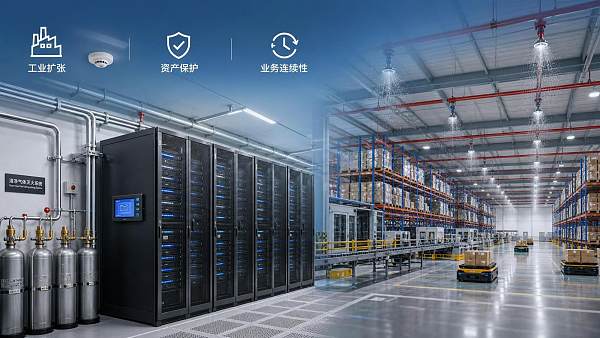
 Sep 01, 2026What is driving Southeast Asia's fire safety market?Explore the fire safety market Southeast Asia: industrial growth, data centers, regulation, insurance, and digital monitoring are reshaping demand and investment opportunities.
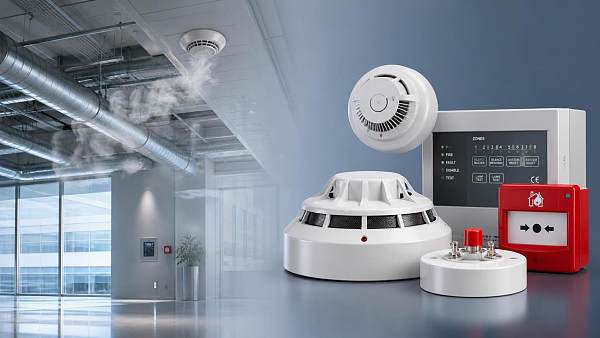
 Aug 26, 2026What drives smoke detector false alarm rates in EuropeSmoke detector false alarm rate Europe is shaped by technology, installation, environment, and maintenance. Discover what really drives nuisance alarms and how to reduce risk.
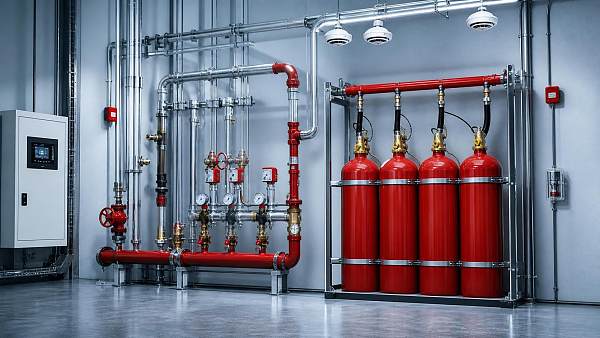
 Aug 21, 2026How to compare industrial fire protection systems in Europe by EN complianceIndustrial fire protection systems Europe: compare EN compliance, certification scope, hazard fit, integration, and lifecycle risk to choose a defensible, high-performance solution.
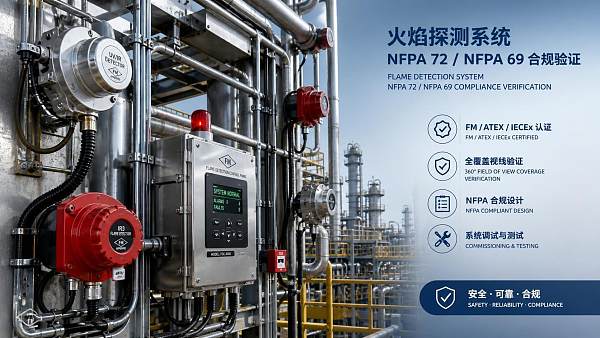
 Aug 20, 2026How to verify flame detection NFPA compliance before system approvalFlame detection NFPA compliance starts with proving design basis, certification, coverage, installation, testing, and records—learn the key checks to speed approval and avoid costly delays.
All Categories
Hot Articles
- How to select hazardous area protection for offshore oil and gas sitesSep 12, 2026Hazardous area protection oil and gas guide for offshore sites—select certified, durable solutions that meet zoning, temperature, cable-entry, and maintenance demands.
- What to verify before choosing an electronics industry solutions supplierSep 11, 2026Electronics industry solutions supplier checklist: verify engineering expertise, traceability, compliance, quality controls, supply resilience, and lifecycle support before you buy.
- How to verify a supplier’s SIL metrics before selecting gas detectorsSep 10, 2026SIL metrics supplier guide: learn how to verify certificates, FMEDA data, proof tests, and lifecycle support before selecting gas detectors for safety-critical SIFs.