How to Compare Wholesale ATEX Explosion Proof Enclosures
TIME
Click count
Choosing the right wholesale ATEX explosion proof enclosure is not only a pricing exercise. It is a technical and compliance decision that affects uptime, safety, audit readiness, and lifecycle cost.
In hazardous locations, poor enclosure comparison can create hidden risks. These include certification gaps, corrosion failure, ingress issues, retrofit delays, and supplier inconsistency across global projects.
A disciplined review of wholesale ATEX explosion proof enclosure options should focus on verified standards, materials, sealing performance, thermal behavior, mounting flexibility, and support documentation.
What is a wholesale ATEX explosion proof enclosure, and why does comparison matter?
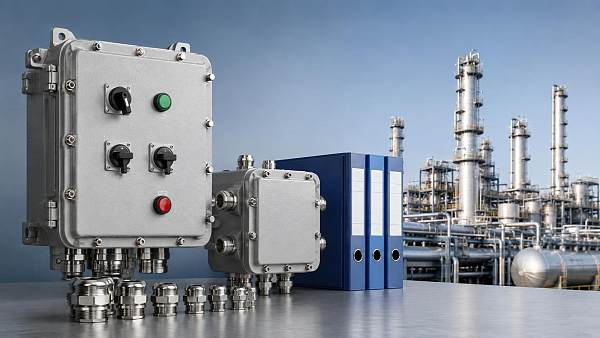
A wholesale ATEX explosion proof enclosure is a protective housing designed for explosive atmospheres. It helps contain internal ignition and prevents flame propagation into surrounding hazardous zones.
ATEX refers to European requirements for equipment used in potentially explosive environments. In practice, the label alone is not enough. The exact marking, zone rating, and documentation matter.
Comparison matters because enclosure performance changes by gas group, dust exposure, ambient temperature, impact resistance, and installation method. Two products may look similar but differ sharply in field suitability.
For complex industrial systems, enclosure mismatch can affect junction boxes, control stations, instrumentation cabinets, and lighting interfaces. The result may be redesign, delayed commissioning, or failed inspection.
Key basic terms worth checking
- Equipment group and category
- Gas or dust zone suitability
- Temperature class or maximum surface temperature
- Ingress protection and impact rating
- Certificate number and notified body details
How do you verify ATEX compliance when comparing wholesale options?
Start with the full certification file, not marketing claims. A reliable wholesale ATEX explosion proof enclosure should have traceable certificates, technical drawings, labeling details, and installation instructions.
Review whether the enclosure is certified for Ex d, Ex e, Ex t, or another protection concept. The protection method must match the actual application and installed components.
Check if accessories are covered. Glands, windows, hinges, terminal blocks, breathers, and drains can change compliance status if they are added outside the approved configuration.
Also confirm operating temperature ranges. Some enclosures keep certification only within specific ambient limits. This is especially important near furnaces, offshore platforms, or cold outdoor installations.
Documents that should be requested
- ATEX certificate and declaration of conformity
- Exploded drawings and dimensional sheets
- Material specification and coating data
- Ingress and impact test reports
- Nameplate format and marking explanation
Which material and construction details should be compared first?
Material selection drives corrosion resistance, weight, heat dissipation, and service life. Common choices include aluminum alloy, stainless steel, GRP, and special coated steel constructions.
Aluminum is often lighter and easier to handle. Stainless steel usually performs better in aggressive chemical or marine settings. GRP may resist corrosion well but needs careful review for impact and heat limits.
Construction quality is as important as base material. Compare wall thickness, machining precision, flamepath tolerances, gasket quality, hinge strength, and the integrity of lid fasteners.
Pay attention to internal space efficiency. A wholesale ATEX explosion proof enclosure may meet certification but still create cable bending problems or insufficient room for terminals and heat-generating devices.
Material comparison points
How should ingress protection, temperature, and environmental durability be compared?
IP rating is essential, but it should not be assessed in isolation. Real performance depends on assembled configuration, cable entry execution, gasket maintenance, and external contamination conditions.
For dusty plants, grain processing, mining, and powder handling, dust-tight sealing is critical. For offshore or washdown environments, moisture resistance and corrosion behavior become equally important.
Thermal performance deserves close attention. Internal heat from power supplies, drives, and terminals may raise surface temperature. That can affect both ATEX compliance and equipment longevity.
Impact resistance also matters in harsh areas. Forklift traffic, vibration, hose cleaning, and accidental tool strikes can damage weaker housings and compromise sealing over time.
Questions to ask during comparison
- Is the stated IP rating valid after drilling or configured entries?
- What ambient temperature range is certified?
- Has salt spray or chemical resistance been tested?
- What IK rating or mechanical durability data is available?
- Are replacement seals and hardware available globally?
What customization and integration factors affect the best wholesale ATEX explosion proof enclosure choice?
Many hazardous-area projects need more than a standard box. Cutouts, terminal layouts, windows, internal mounting plates, locking systems, and cable entry patterns often determine installation speed.
Customization should be factory-controlled whenever possible. Unauthorized field modifications can invalidate certification, weaken structural integrity, or create sealing problems that are hard to detect before startup.
Integration with existing instruments matters too. Compare gland compatibility, thread standards, bracket options, grounding provisions, and room for future expansion or spare terminals.
When selecting a wholesale ATEX explosion proof enclosure, evaluate whether the supplier supports assembled solutions. Pre-installed terminals and tested configurations can reduce labor and quality variation.
Common integration checkpoints
- Metric or NPT cable entry compatibility
- DIN rail, backplate, or modular mounting options
- Door opening direction and service clearance
- Grounding studs and bonding design
- Spare capacity for later upgrades
How do lead time, supplier reliability, and total cost change the comparison?
The lowest unit price rarely delivers the lowest project cost. Delays, missing certificates, coating failure, or non-matching accessories can trigger expensive rework and inspection setbacks.
Compare stock availability, batch traceability, export support, and after-sales response. Global projects benefit from suppliers that maintain consistent documentation across regions and production lots.
Ask about warranty conditions, spare part supply, and recertification guidance. A dependable wholesale ATEX explosion proof enclosure source should support installation, maintenance, and replacement planning.
Total cost should include logistics, customization, packaging, corrosion protection, inspection effort, and downtime risk. A slightly higher upfront cost can reduce long-term ownership exposure.
Quick comparison table for decision support
What mistakes are common when evaluating wholesale ATEX explosion proof enclosure suppliers?
One common mistake is comparing only catalog dimensions and price. That approach misses compliance scope, service conditions, and the quality of accessories that complete the enclosure system.
Another mistake is assuming all hazardous-area ratings are interchangeable. ATEX, IECEx, and local approvals may overlap, but project acceptance still depends on exact jurisdiction and specification.
It is also risky to ignore maintenance realities. If replacement gaskets, bolts, or approved glands are difficult to source, the enclosure may become a long-term operational weakness.
Finally, do not overlook documentation quality. Clear manuals, torque guidance, marking detail, and revision control are signs of a mature supplier and a safer asset base.
FAQ snapshot
A high-quality wholesale ATEX explosion proof enclosure should be assessed as a complete engineered solution. Certification, material behavior, environmental durability, integration readiness, and supplier capability must align.
Use a structured checklist before comparing quotations. Request full documents, confirm approved configurations, and test each option against the actual site environment and installation method.
That process leads to safer selection, stronger compliance confidence, and better lifecycle value from every wholesale ATEX explosion proof enclosure investment.
Recommended News
 Sep 04, 2026What ATEX documents should explosion protection Zone 1 equipment include?Discover which ATEX documents explosion protection Zone 1 equipment should include—from EU Declarations and certificates to installation instructions—for safer, compliant procurement.
 Sep 03, 2026How to verify an explosion proof cleanroom equipment supplier’s ATEX complianceExplosion proof cleanroom equipment supplier verification made simple: learn how to check ATEX markings, certificates, assembly scope, and installation requirements.
 Sep 02, 2026How to verify an explosion-proof enclosure factory before orderingExplosion Proof Enclosures factory verification guide: check certifications, production controls, material traceability, testing, and documentation before ordering.
 Aug 07, 2026How to Evaluate an ATEX Certified Camera in North America for Hazardous Area Complianceatex certified camera North America buyers can trust starts with more than an ATEX label. Learn how to verify hazardous area compliance, local acceptance, and long-term reliability.
All Categories
Hot Articles
- How to select hazardous area protection for offshore oil and gas sitesSep 12, 2026Hazardous area protection oil and gas guide for offshore sites—select certified, durable solutions that meet zoning, temperature, cable-entry, and maintenance demands.
- What to verify before choosing an electronics industry solutions supplierSep 11, 2026Electronics industry solutions supplier checklist: verify engineering expertise, traceability, compliance, quality controls, supply resilience, and lifecycle support before you buy.
- How to verify a supplier’s SIL metrics before selecting gas detectorsSep 10, 2026SIL metrics supplier guide: learn how to verify certificates, FMEDA data, proof tests, and lifecycle support before selecting gas detectors for safety-critical SIFs.